Know what you have
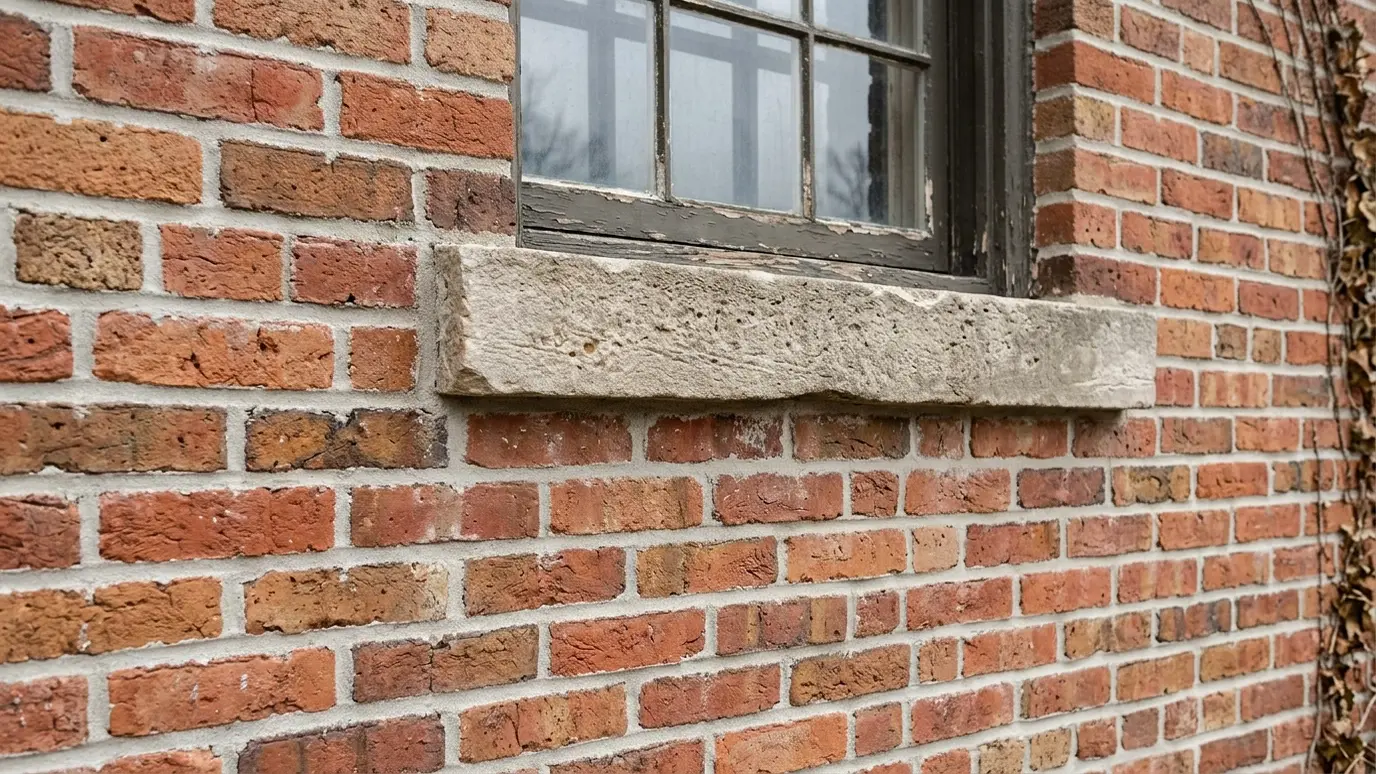
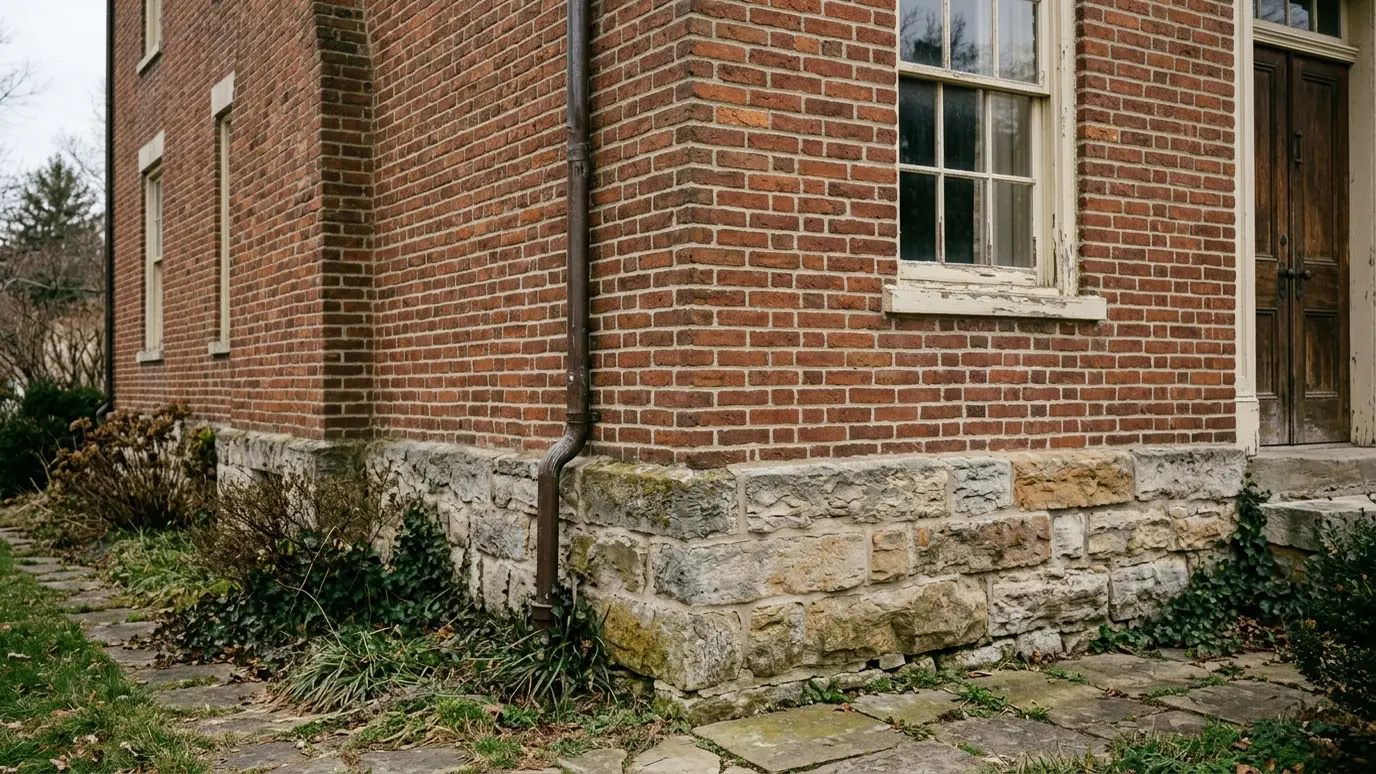
Older walls may be solid, multi-layer brick with lime mortar. They behave differently from modern veneer.
Learn the age and type.
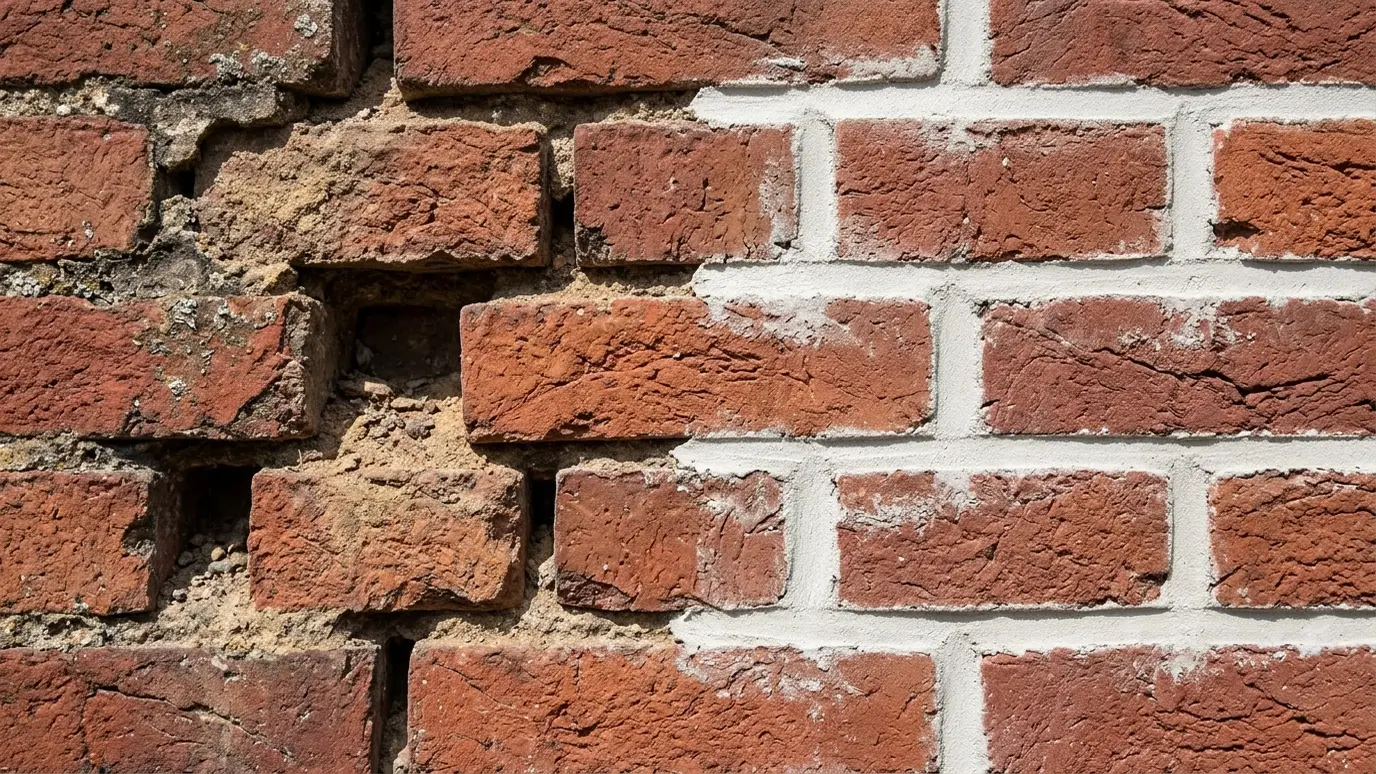
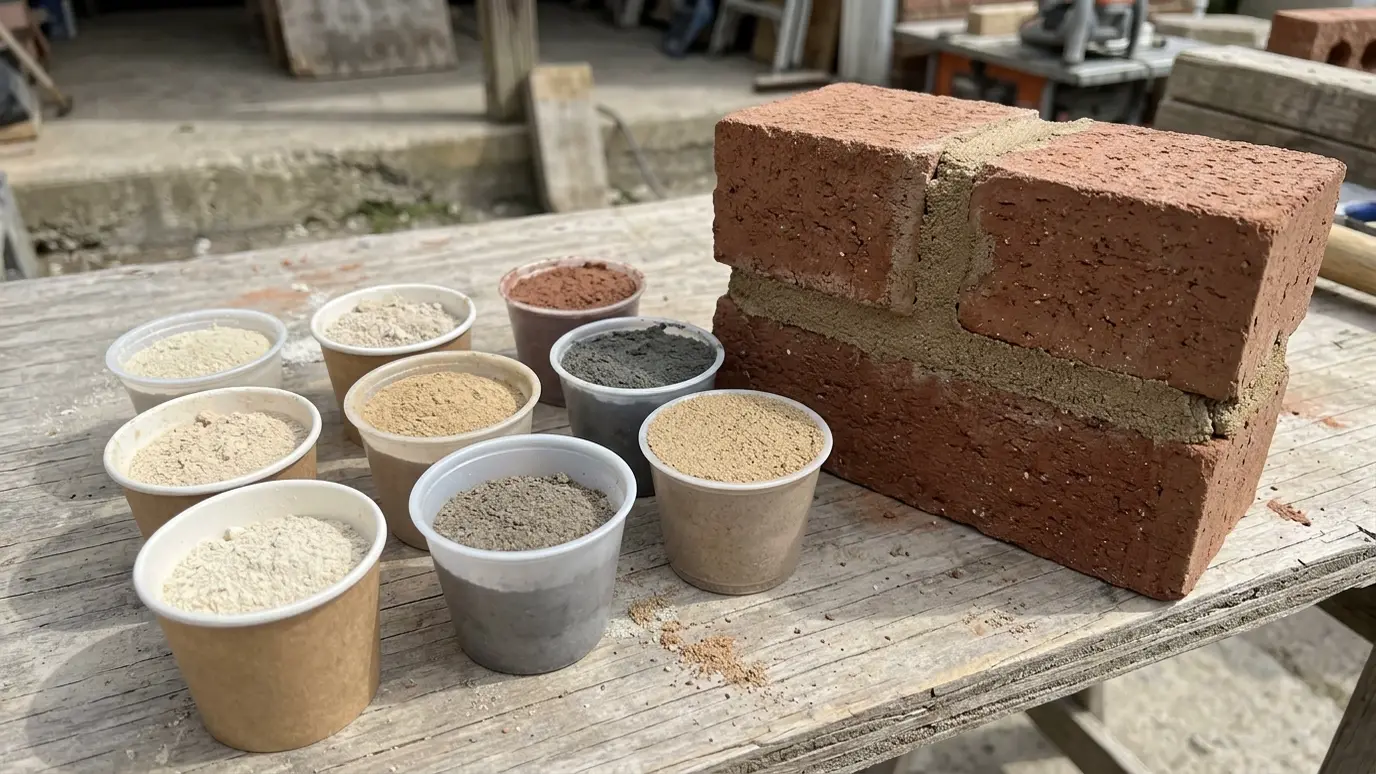
Use soft mortar
Repoint with lime-rich mortar that is softer than the brick.
Hard mortar damages old brick.
Clean gently
Never sandblast. Use low-pressure water and mild cleaners after testing.
Blasting removes the protective skin.
Repair, do not replace
Repair what you can and match what you cannot. Salvaged brick preserves character.
Keep original details.
Manage water
Keep gutters, flashing and grading in order. Dry walls last.
Avoid impermeable coatings.
Seek guidance
Historic districts often have guidelines. Preservation groups and experienced masons help.
Document before and after.
Our advice in one sentence
Treat old masonry gently: soft mortar, gentle cleaning and repairs that match.