Materials
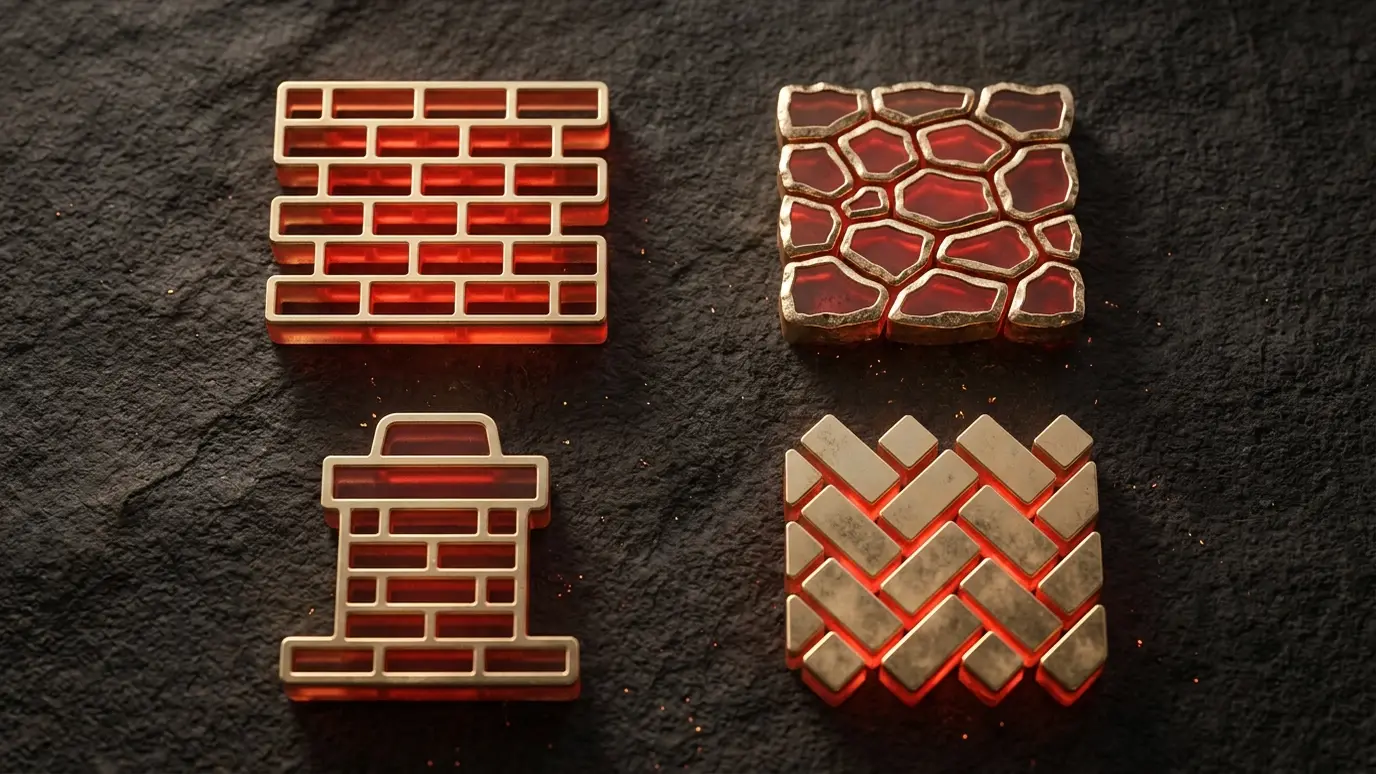
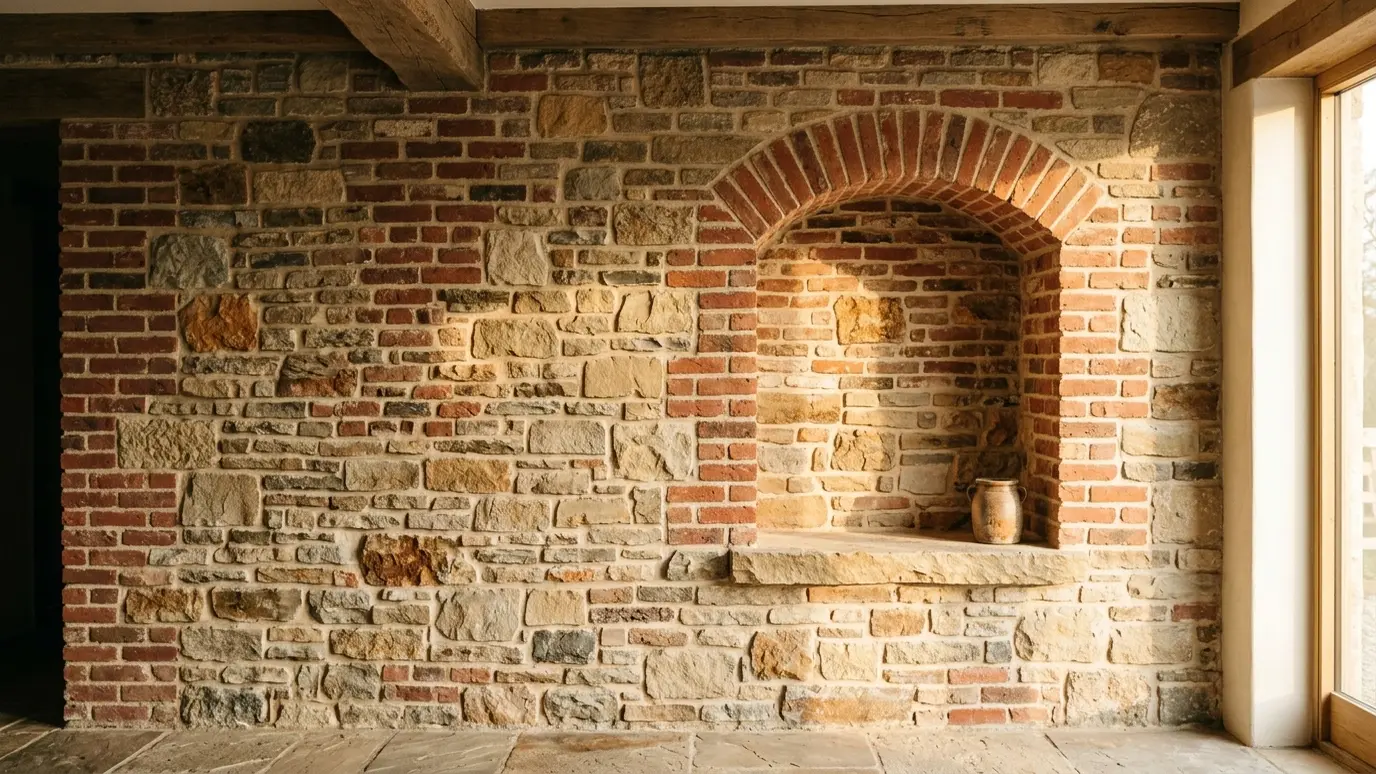
Brick, natural stone, manufactured stone, block and pavers differ widely in price. Within each type, color, size and origin change the cost again.
Ask for the material by name, so you can compare like with like when you collect proposals.
Size and complexity
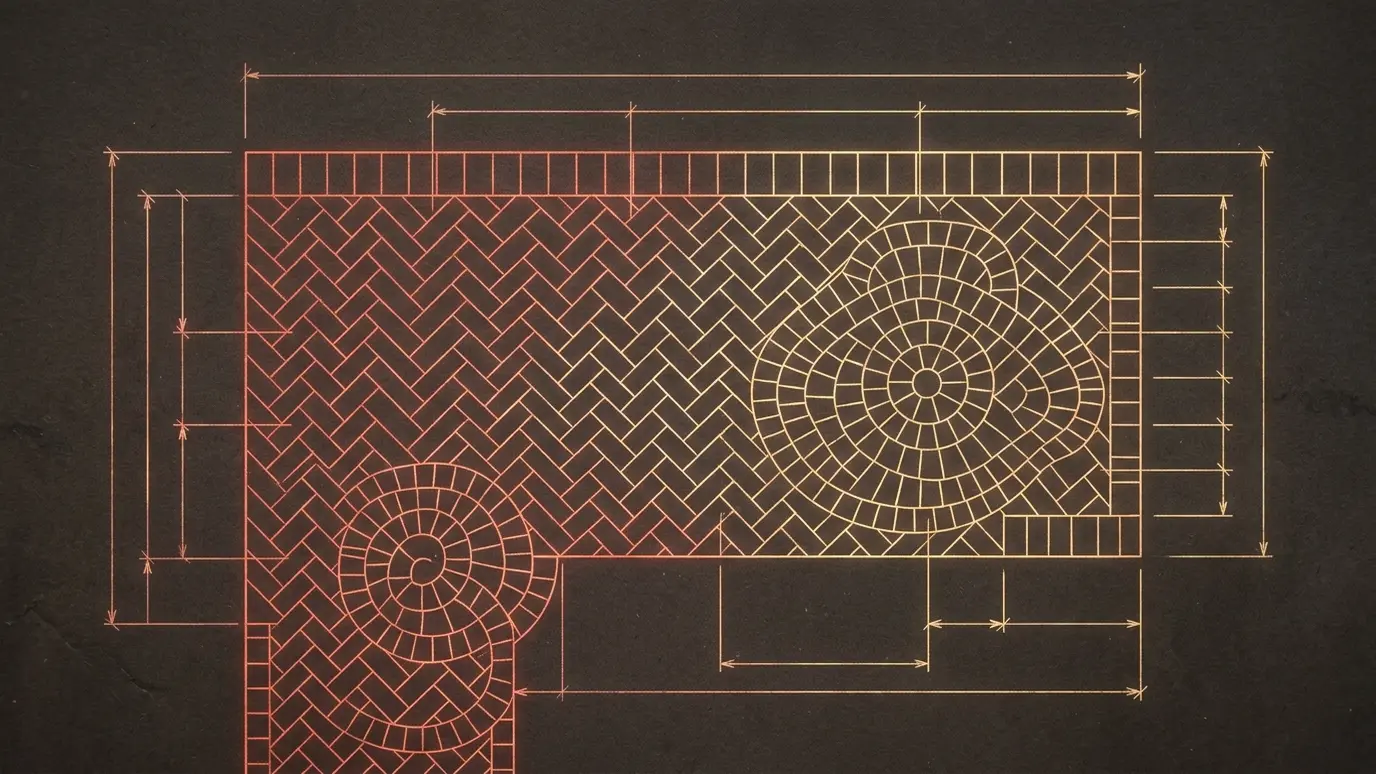
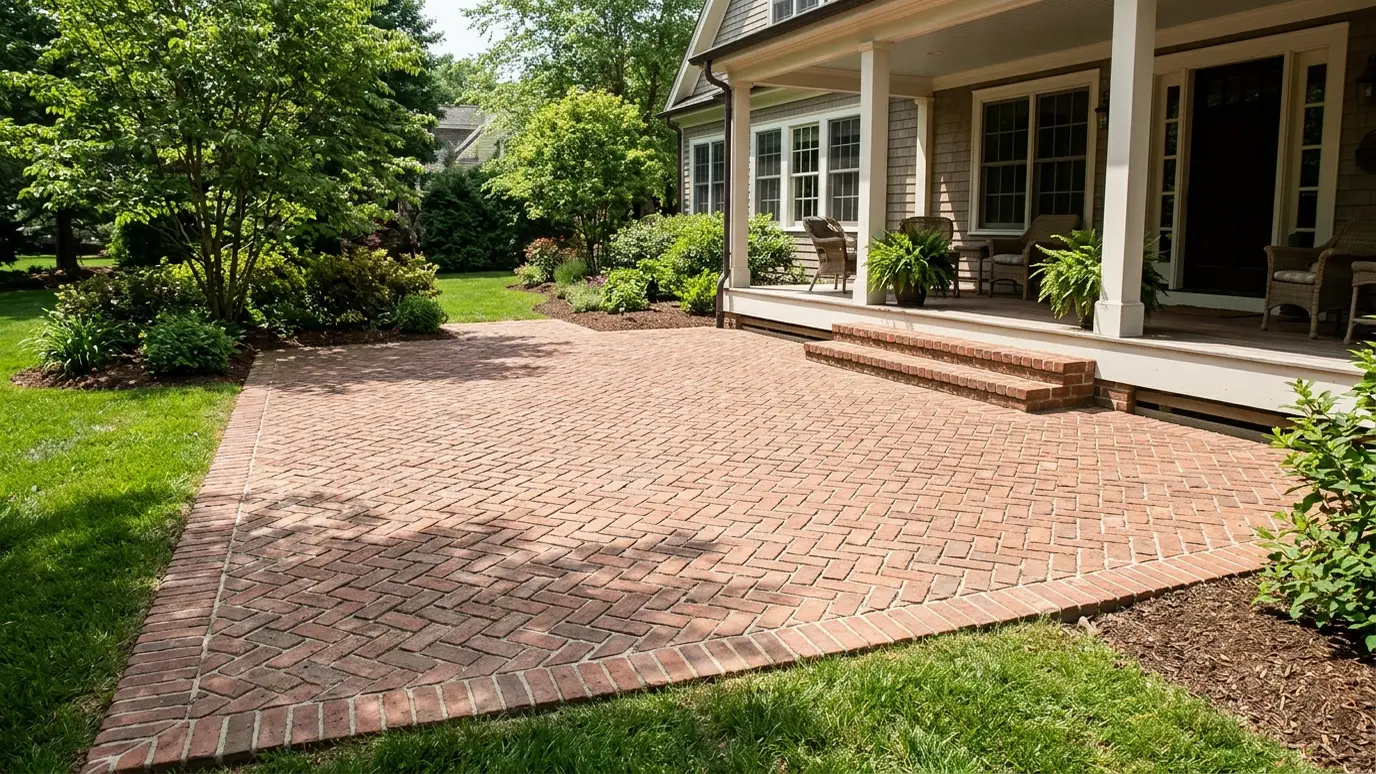
A straight wall is quicker to build than one with curves, piers and steps. Patterns, borders and inlays add time and skill.
Square footage matters, but detail often matters more than size.
Site access and preparation
Hillsides, narrow gates and long carries slow the work. Demolition, grading and haul-away add to a scope.
A good proposal says what preparation it includes.
Footings, base and structure
The hidden parts of a project, such as footings, drainage and reinforcement, carry a large share of the cost and a large share of the lifespan.
Be wary of proposals that skip them, because they are what keep the work from failing.
Finishes and extras
Caps, sealers, lighting, railings and gas or electrical runs are often priced separately.
Decide early which extras you want, to avoid surprises later.
How to compare proposals
Compare scopes, not only totals: materials, preparation, structure, finishes, schedule and cleanup.
A clear, itemized proposal is a sign of an organized company.
Compare written scopes, ask about the hidden structure and decide on finishes early so the number you see is the number you pay.