Signs of failing mortar
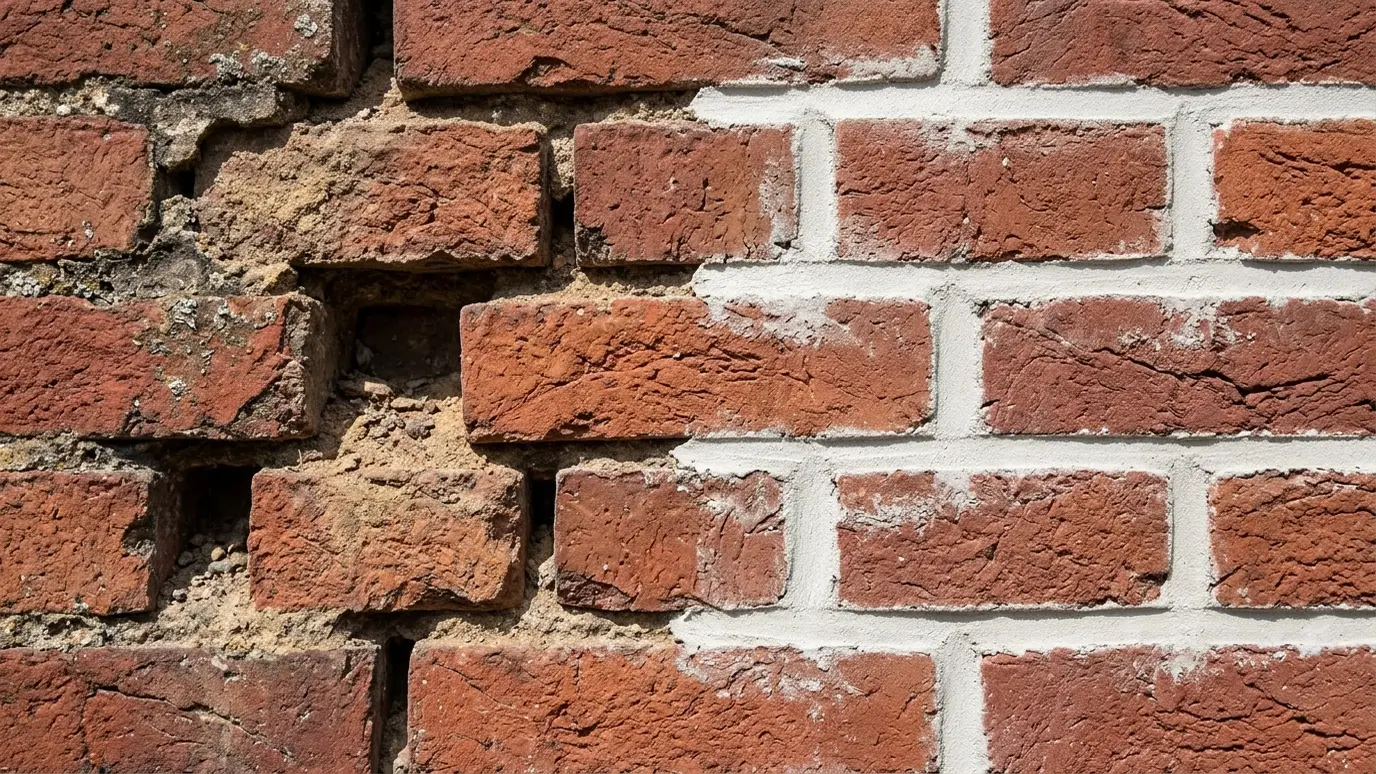
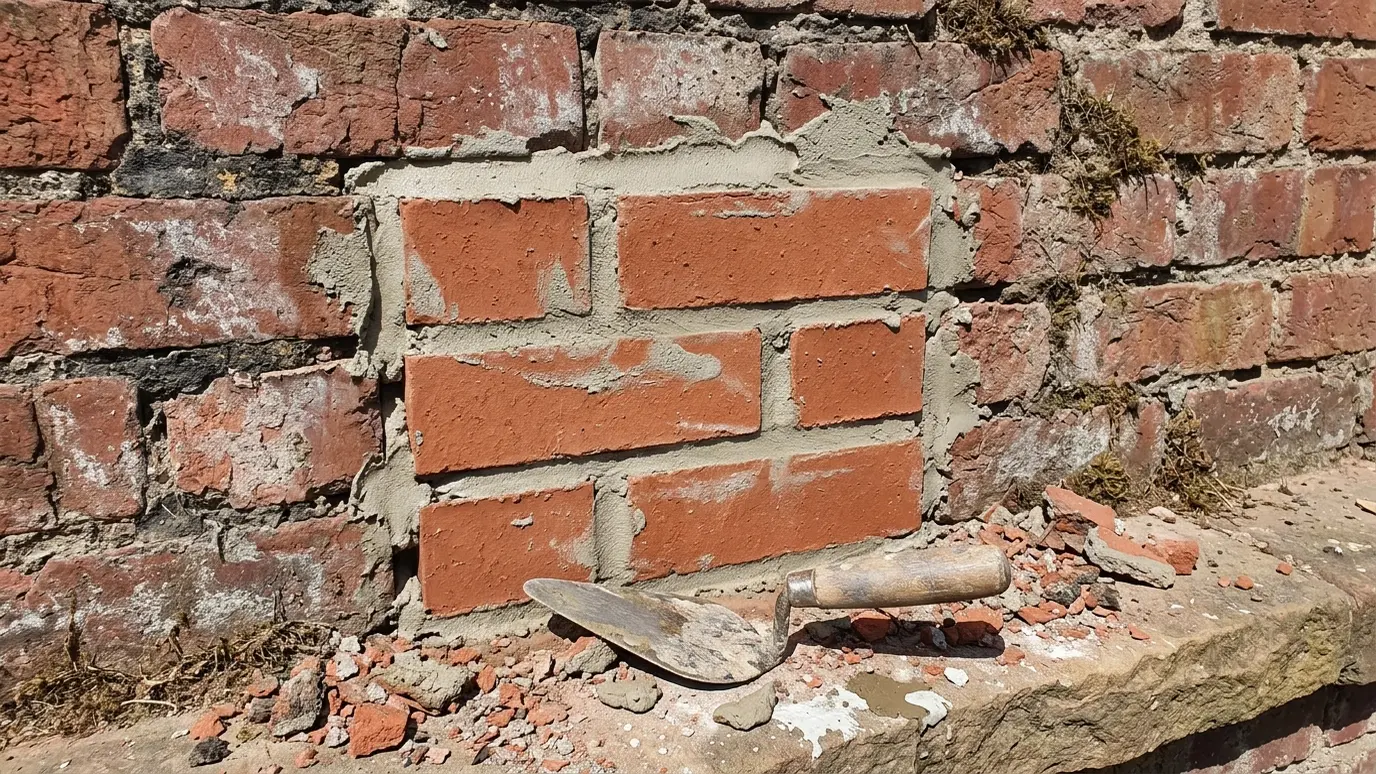
Crumbling or sandy mortar, gaps between brick and mortar, recessed joints and missing mortar are signs of wear.
Water stains inside walls are another clue.
The key test
Push a key into a joint. If it sinks in easily, the mortar is soft and failing.
Sound mortar resists.
Where to look first
South and west walls, chimneys and areas under leaking gutters age fastest. Parapets and sills are exposed too.
Check after winter and heavy storms.
Why timing matters
Open joints let water in and freeze, which damages brick. Repointing early saves bricks.
A small project now prevents a rebuild later.
Choosing the mortar
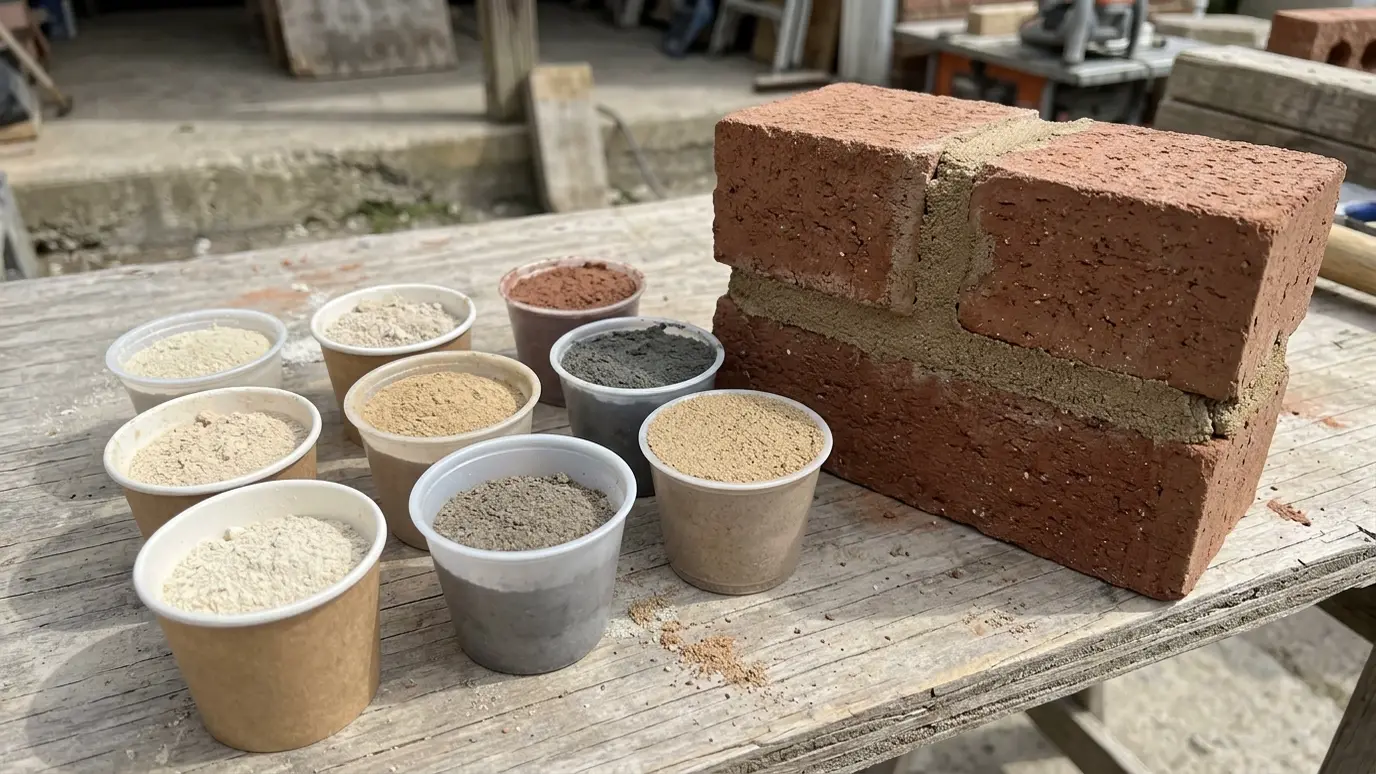
New mortar should be softer than the brick and matched in color. Old brick needs lime-rich mortar.
Ask your mason what mix they will use.
What to expect
Grinding creates dust, and new mortar needs cure time. Most house walls take days, not weeks.
Weather matters: avoid freezing temperatures.
Check joints each spring, repoint early and insist on mortar that is softer than the brick.