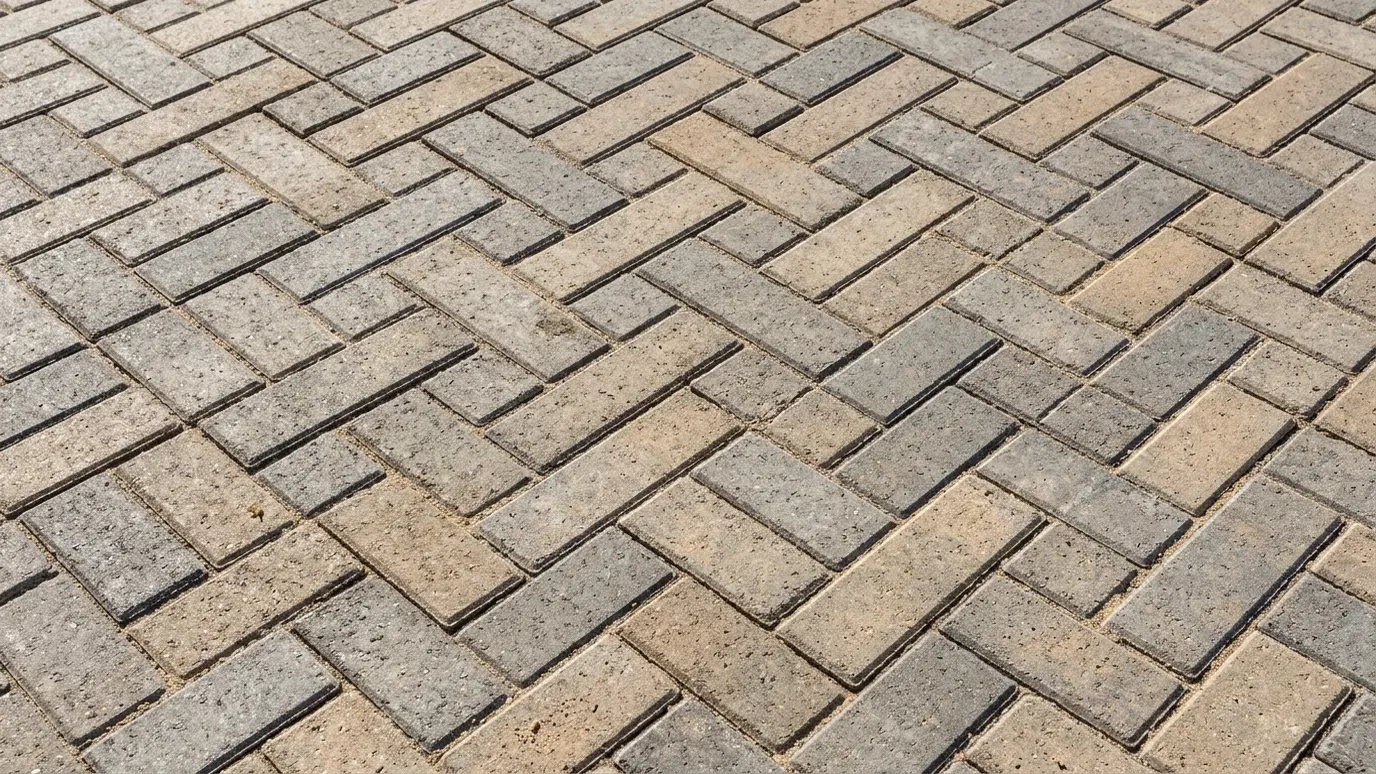
Interlocking concrete and clay pavers make flexible, durable surfaces. Here is how they look and perform.
Pavers are individual units, usually concrete, clay or cut stone, that fit together over a compacted base. They come in many shapes, colors and textures, and because they are flexible, they handle freeze and thaw better than some rigid surfaces.
Concrete pavers are the most common and offer the widest range. Clay pavers hold color well and feel traditional. Natural stone pavers are the most upscale. All of them depend on a deep, well-compacted base and tight edge restraint for long life.
Lots of design freedom.
Handles freeze and thaw.
Replace single units.
Help with drainage.
A range of budgets.
Even for driveways.
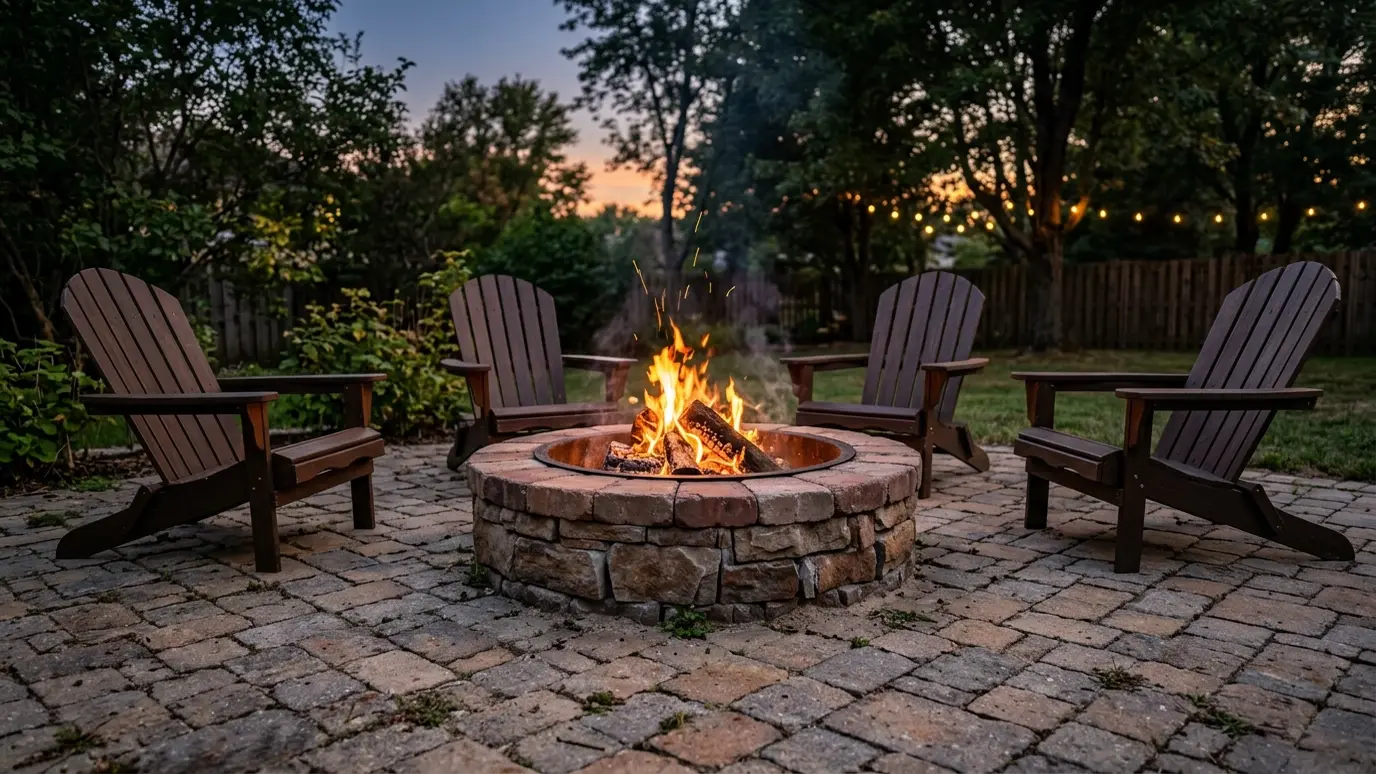 Outdoor Fire Pit InstallationStone and brick fire pits and fire rings with seat walls, built safely on a solid base and…Explore
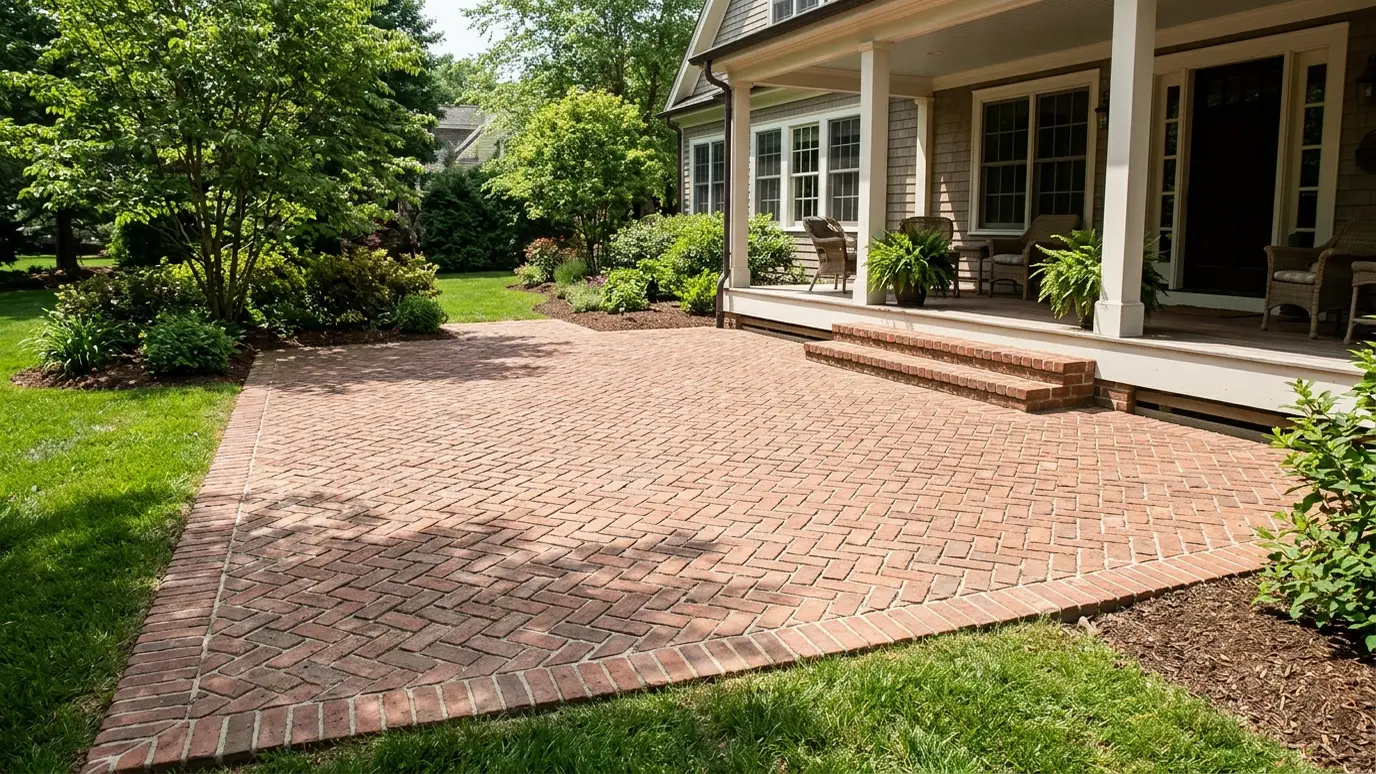 Custom Patio ConstructionBrick, stone and paver patios designed to fit your yard and your habits, built on a solid base…Explore
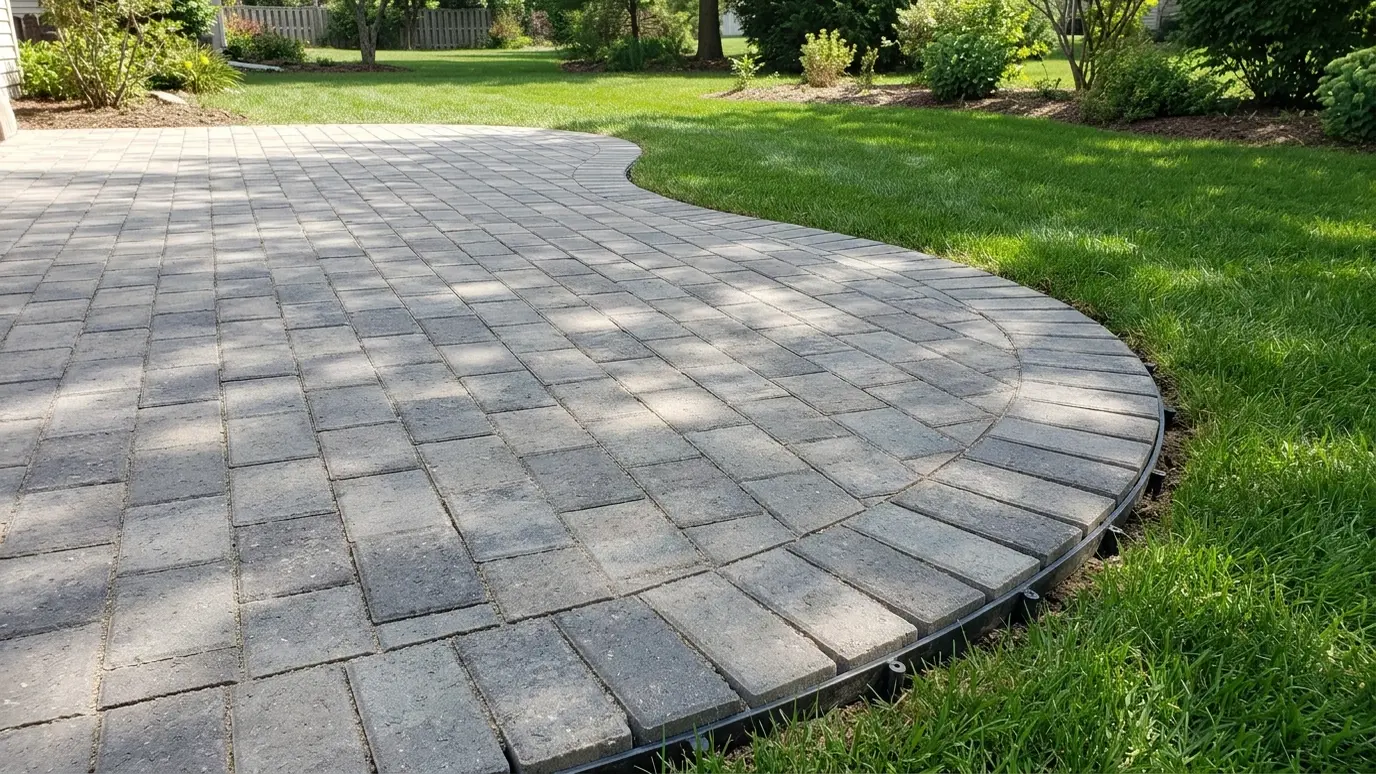 Paver Patios and WalkwaysInterlocking paver patios, paths and steps in many colors and patterns, installed over a compacted base for a…Explore
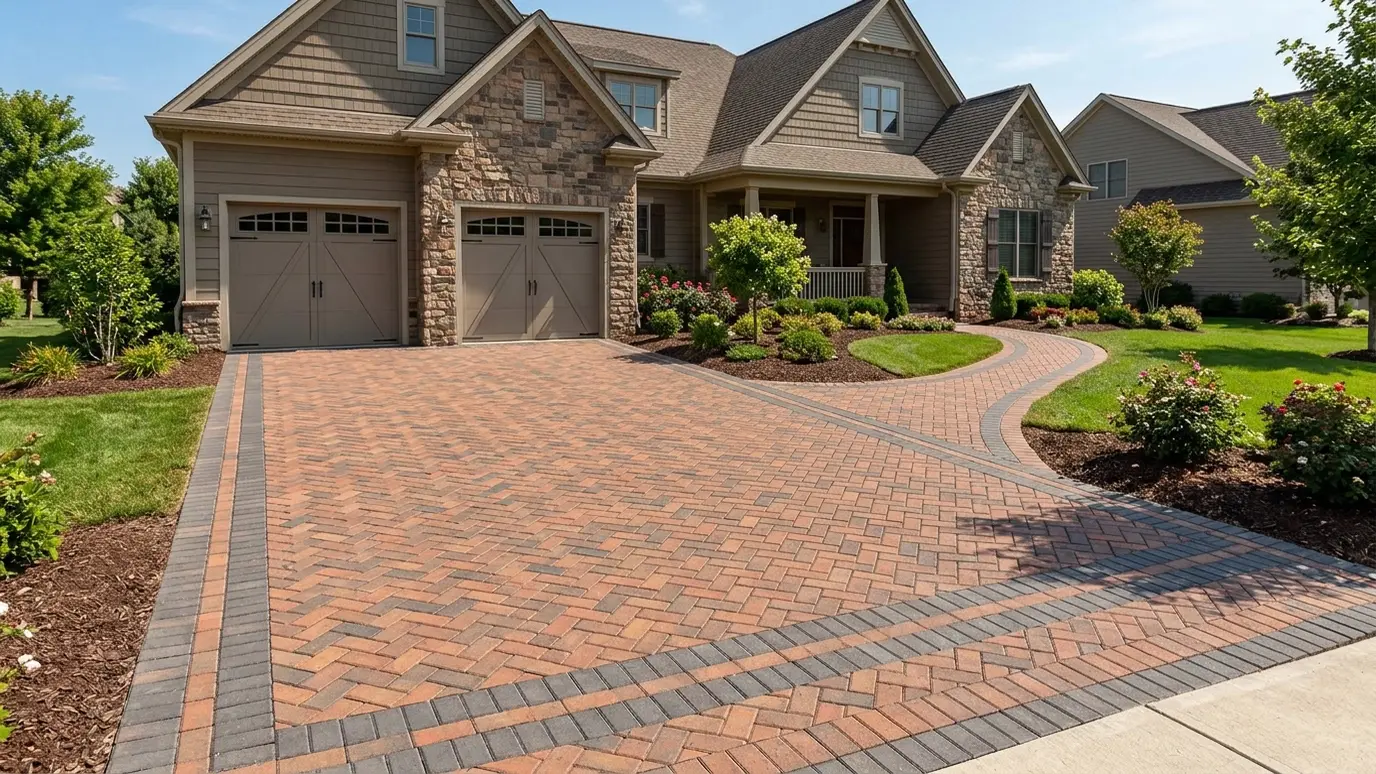 Driveways and WalkwaysBrick, stone and paver driveways and front walks with proper bases, drainage and edging to handle weight and…Explore
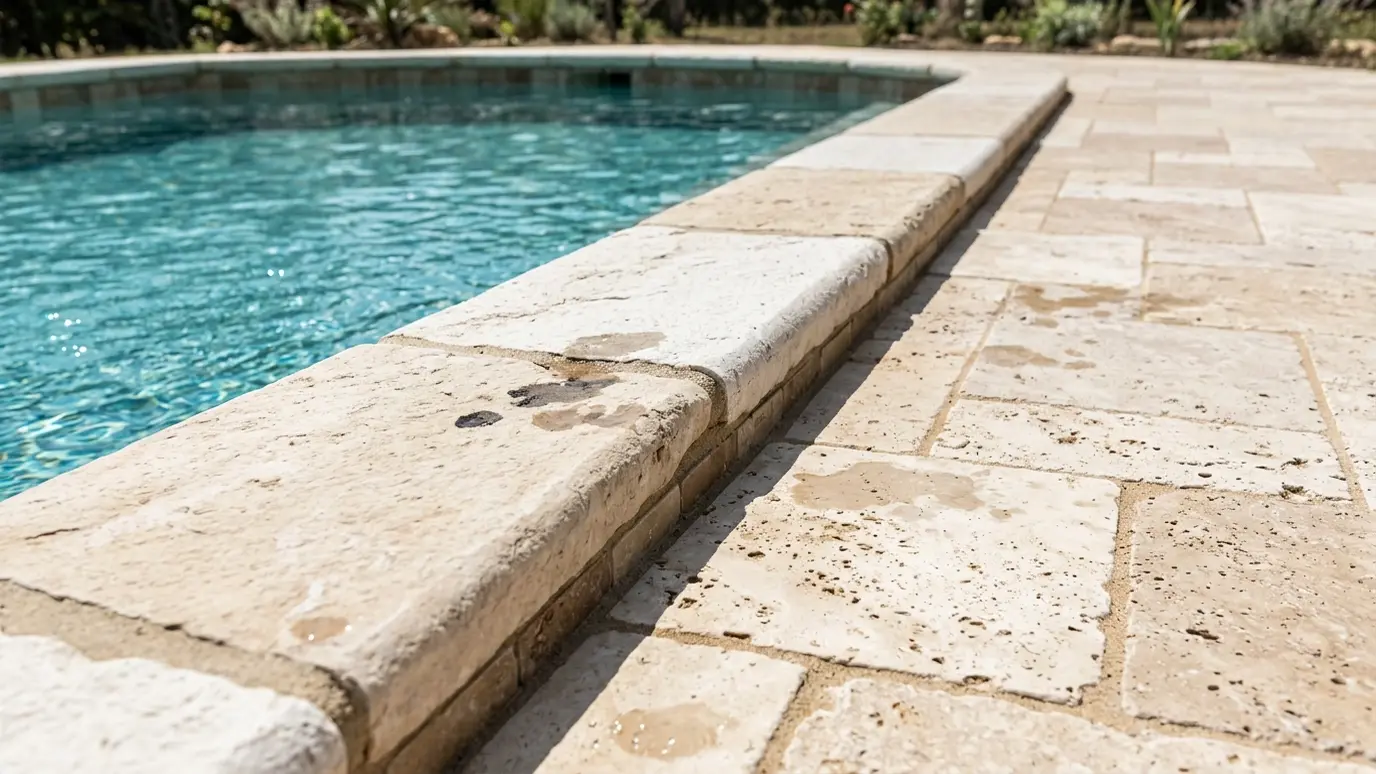 Pool Decks and CopingNew pool decks, stone coping and repairs that make the pool edge safe, cool underfoot and beautiful.Explore
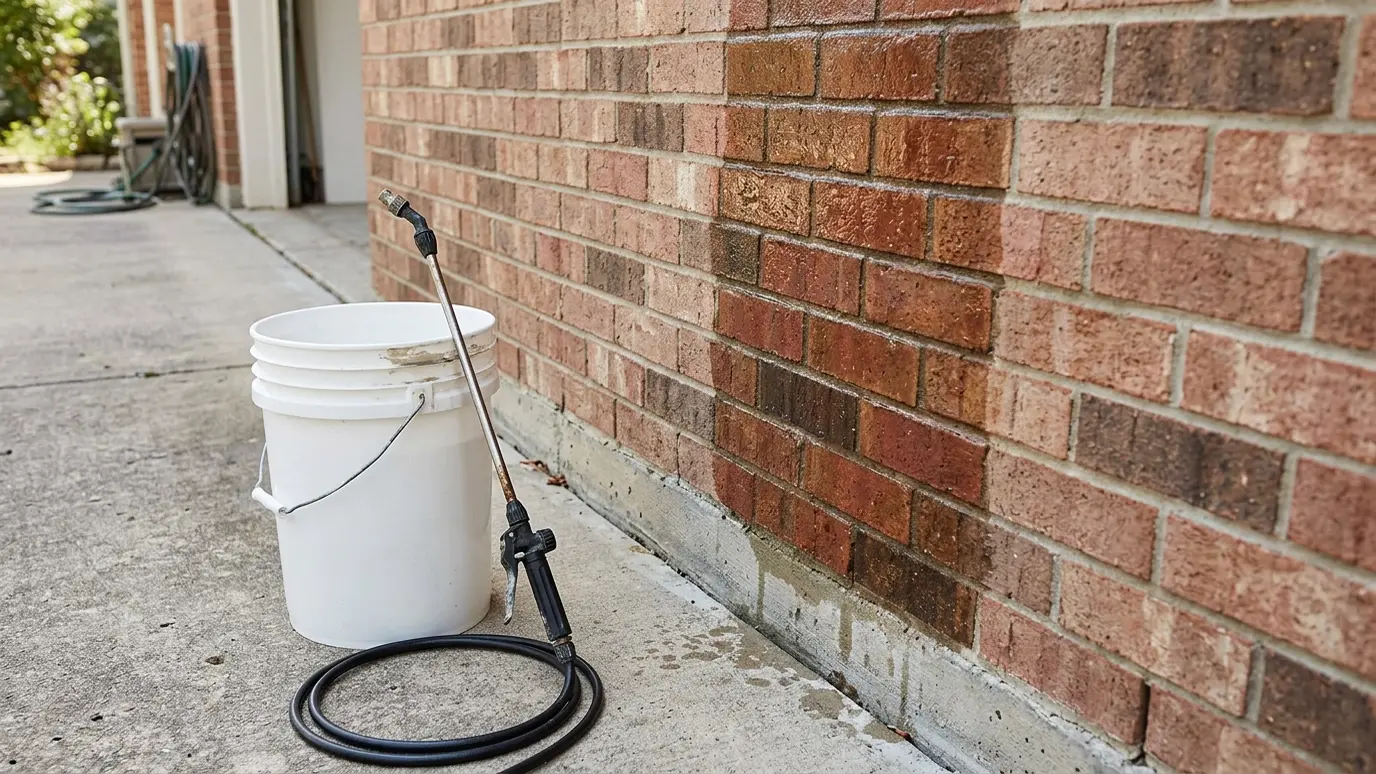 Masonry Sealing and WaterproofingBreathable sealers and waterproofing that repel rain while letting the wall dry out, with the repairs that make…Explore
Take the quiz, check for damage or ballpark a budget.
 Which Masonry Project Fits My Home? QuizAnswer five questions about your yard and your goals and see the masonry projects that fit best.Try it
 Masonry Damage CheckerPick what you see on your brick, stone or chimney to learn what it may mean and how urgent it is.Try it
 Masonry Budget PlannerPick a project and a size and get a ballpark planning range.Try it
Only if the base is poorly prepared.
Yes. That is a major advantage.
Polymeric sand helps keep joints clear.
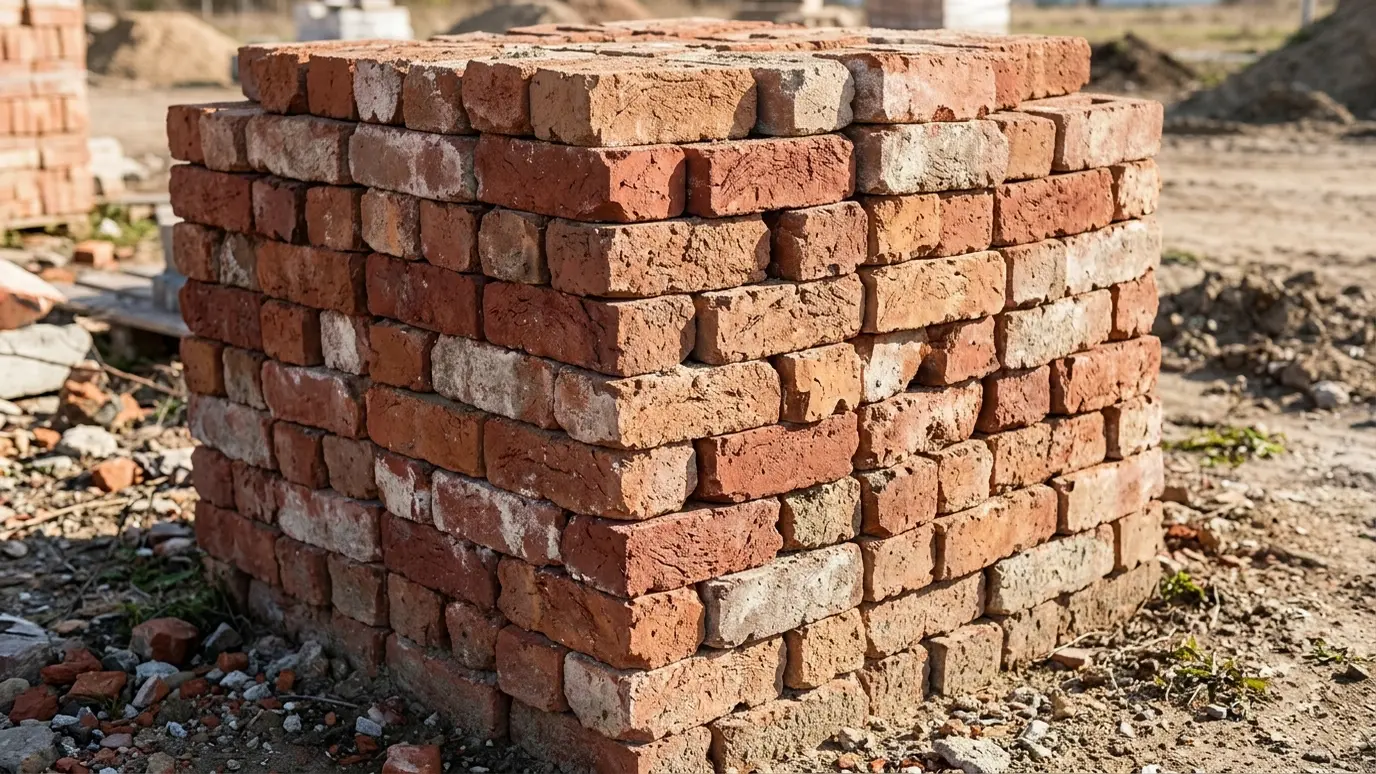 Material guideClay BrickFired clay brick is the classic masonry material. Here is how it looks, performs and ages in Tennessee…Learn more
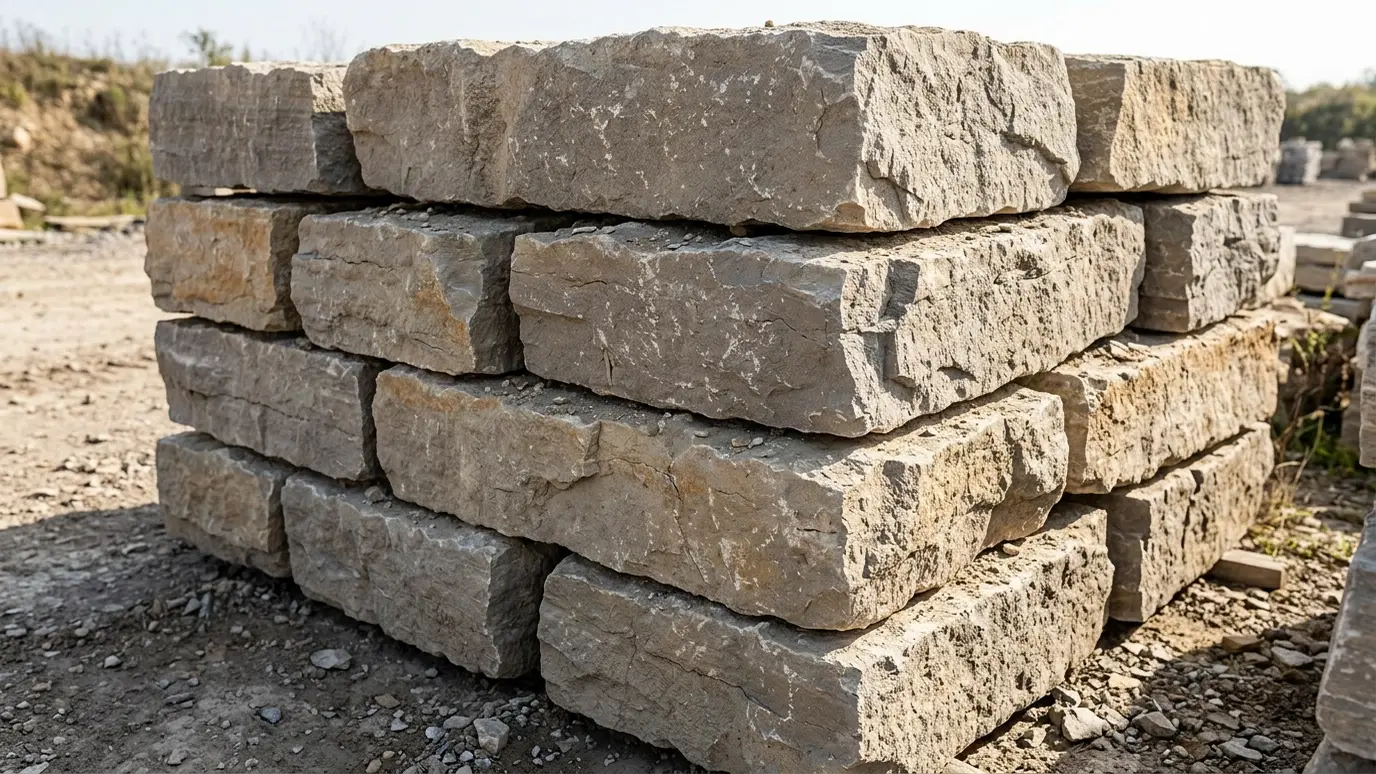 Material guideNatural StoneLimestone, fieldstone and flagstone give projects depth and character. Here is how stone looks, performs and ages.Learn more
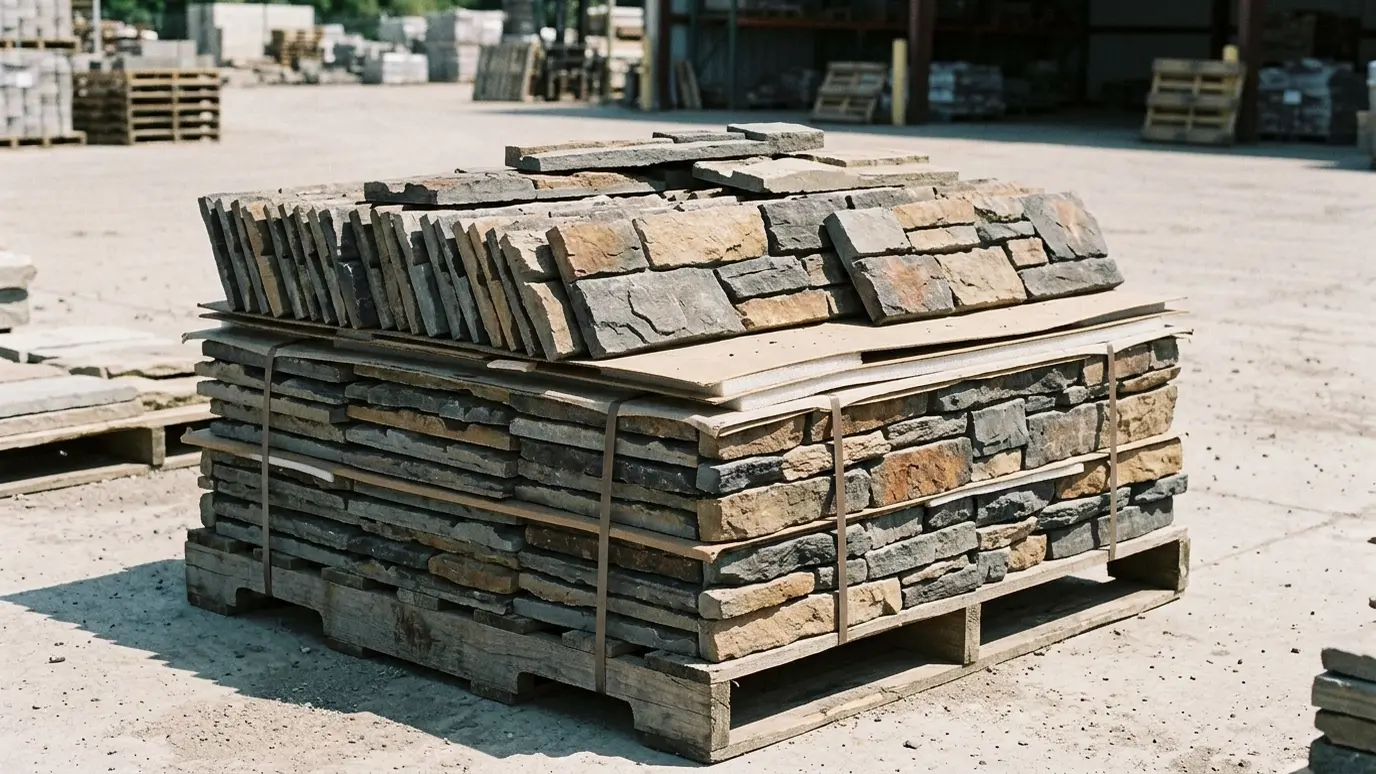 Material guideManufactured StoneCast stone veneer offers a consistent look at a lighter weight. Here is how it performs and where…Learn more
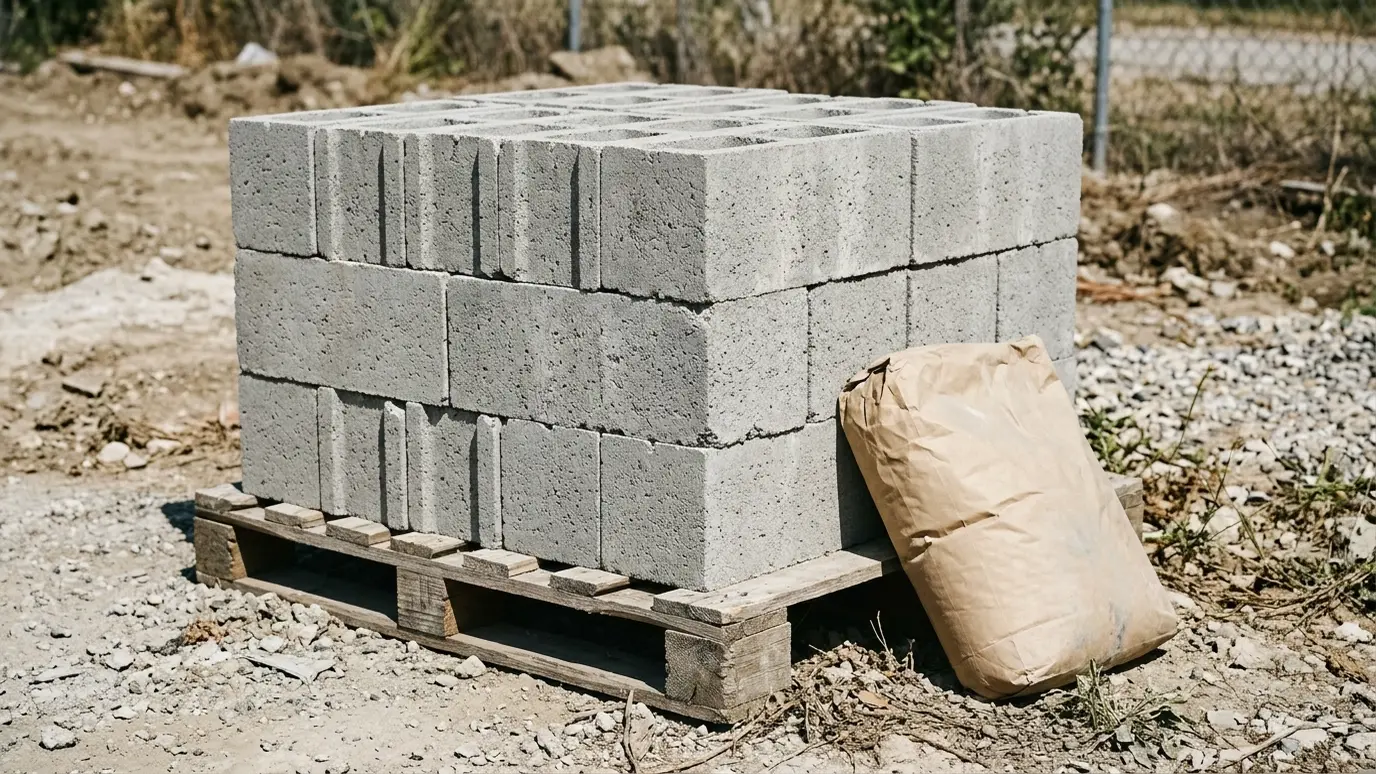 Material guideConcrete BlockConcrete masonry units are the strong, simple core of many walls. Here is how they work and where…Learn more
Call us and we will visit your property, look closely at the work and give you a clear plan and a written scope.