Why the base matters most
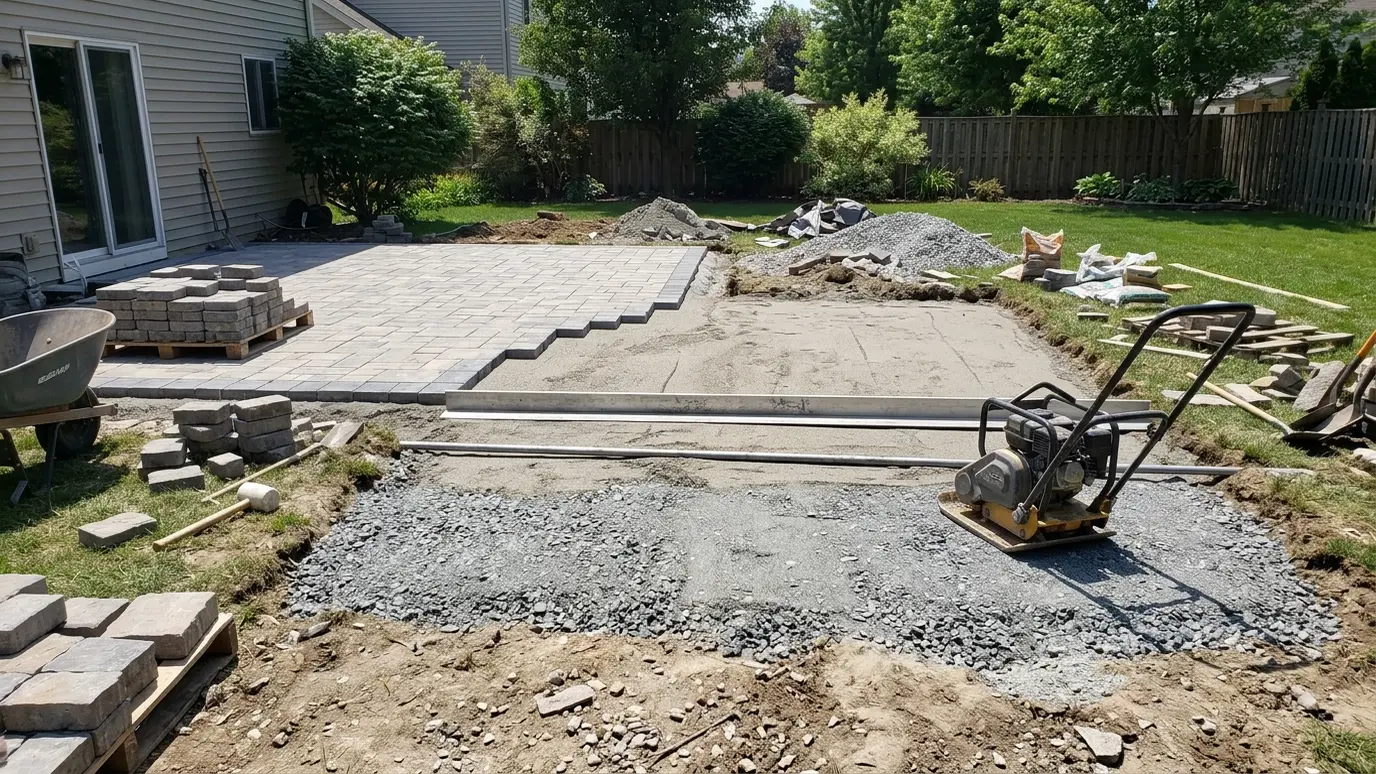
Pavers sit on layers of compacted stone and a thin bedding layer. Most failures trace to shallow or poorly compacted bases.
Ask how deep the base will be.
Patio versus driveway
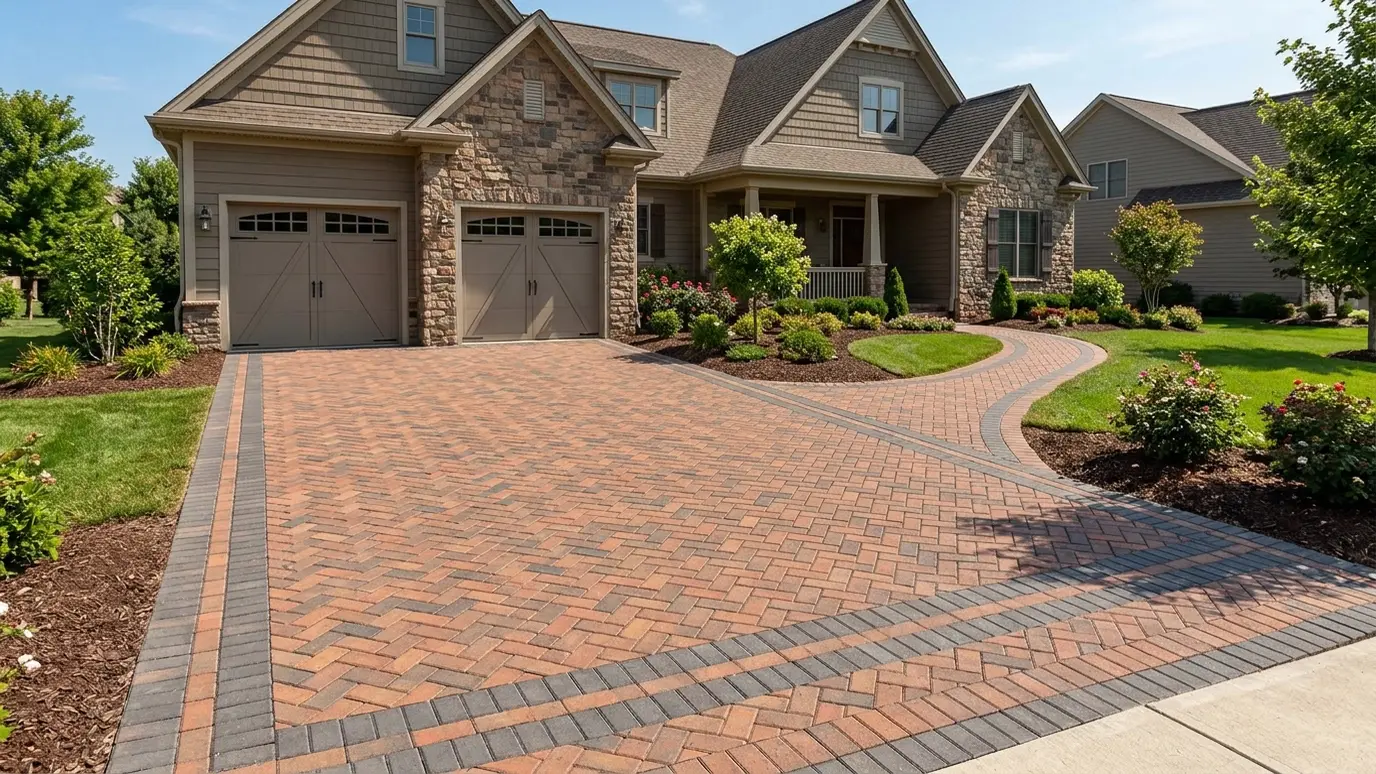
A driveway needs a deeper, heavier base and pavers rated for vehicles. Patios and walks need less but still need drainage.
Never use a patio spec for a drive.
Choosing a pattern
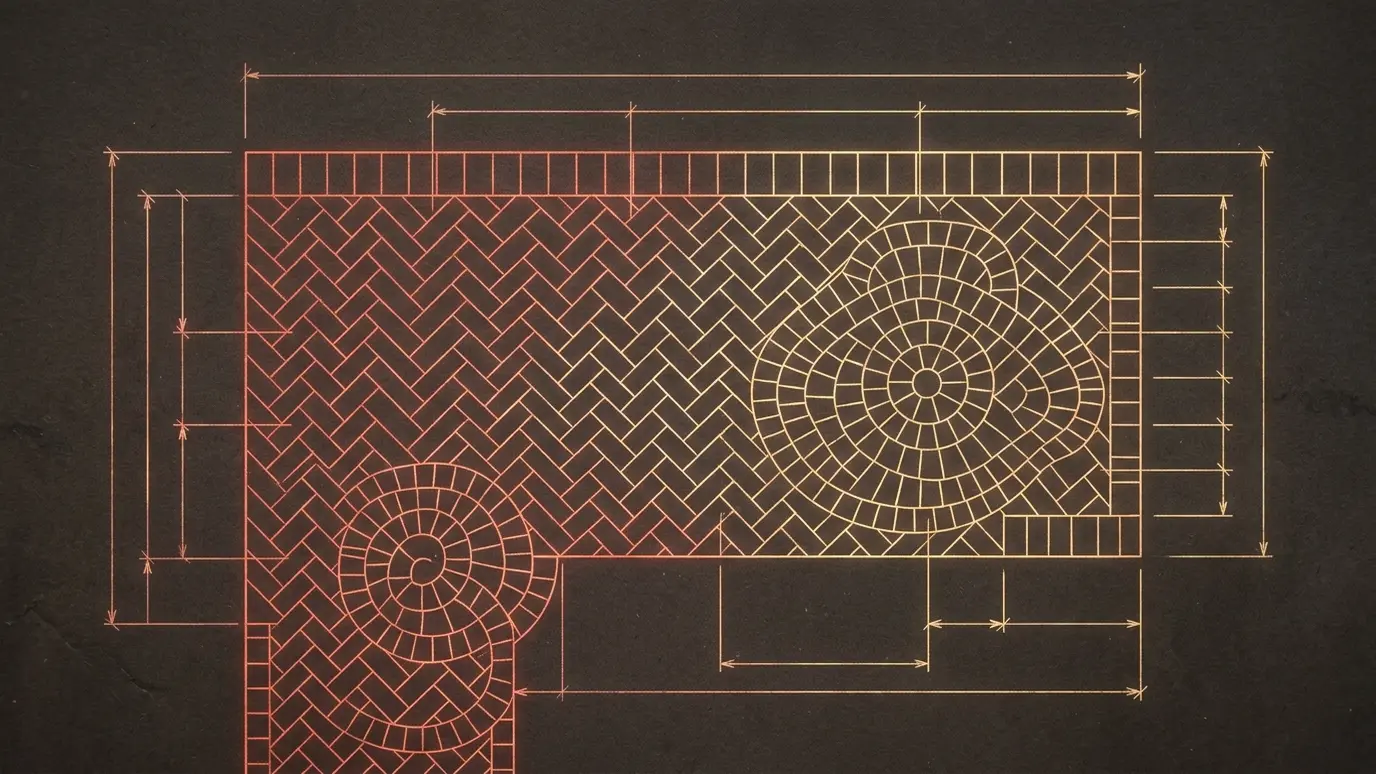
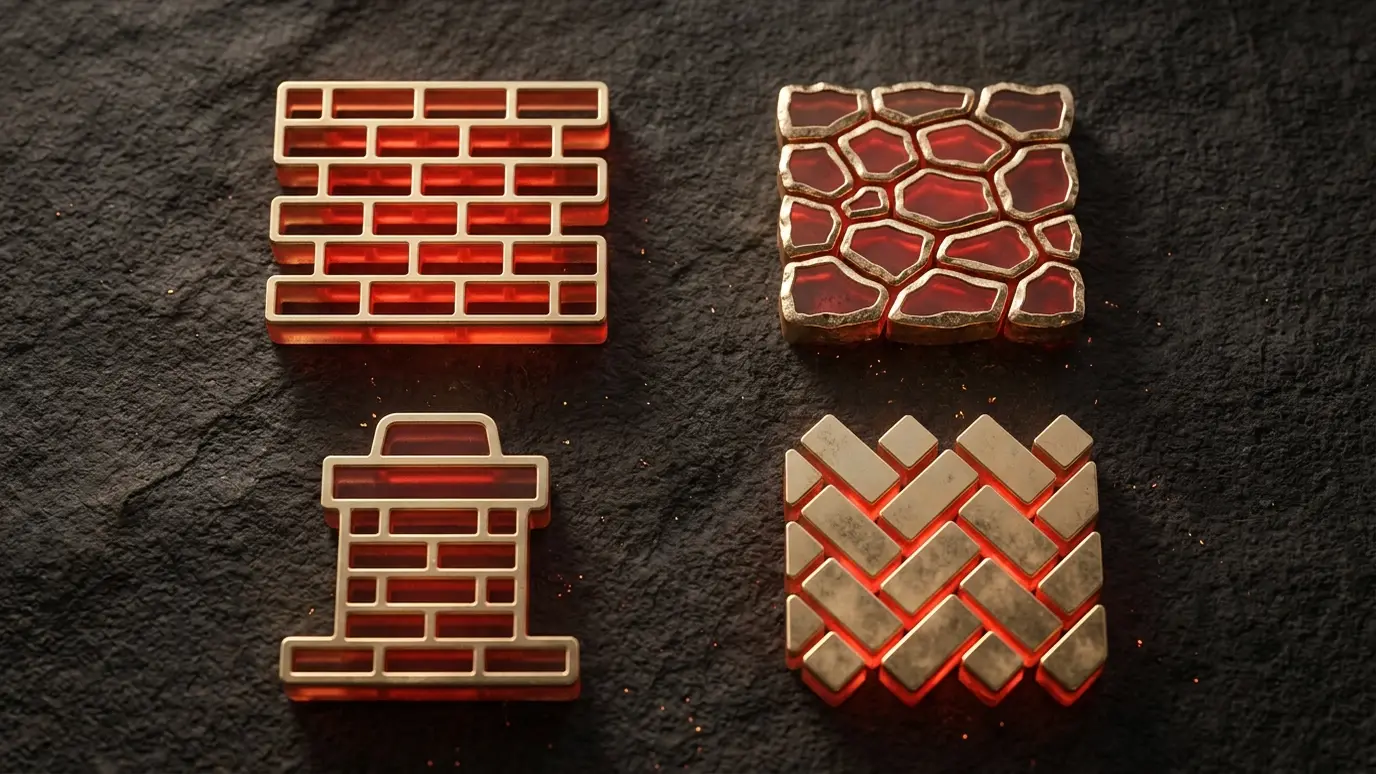
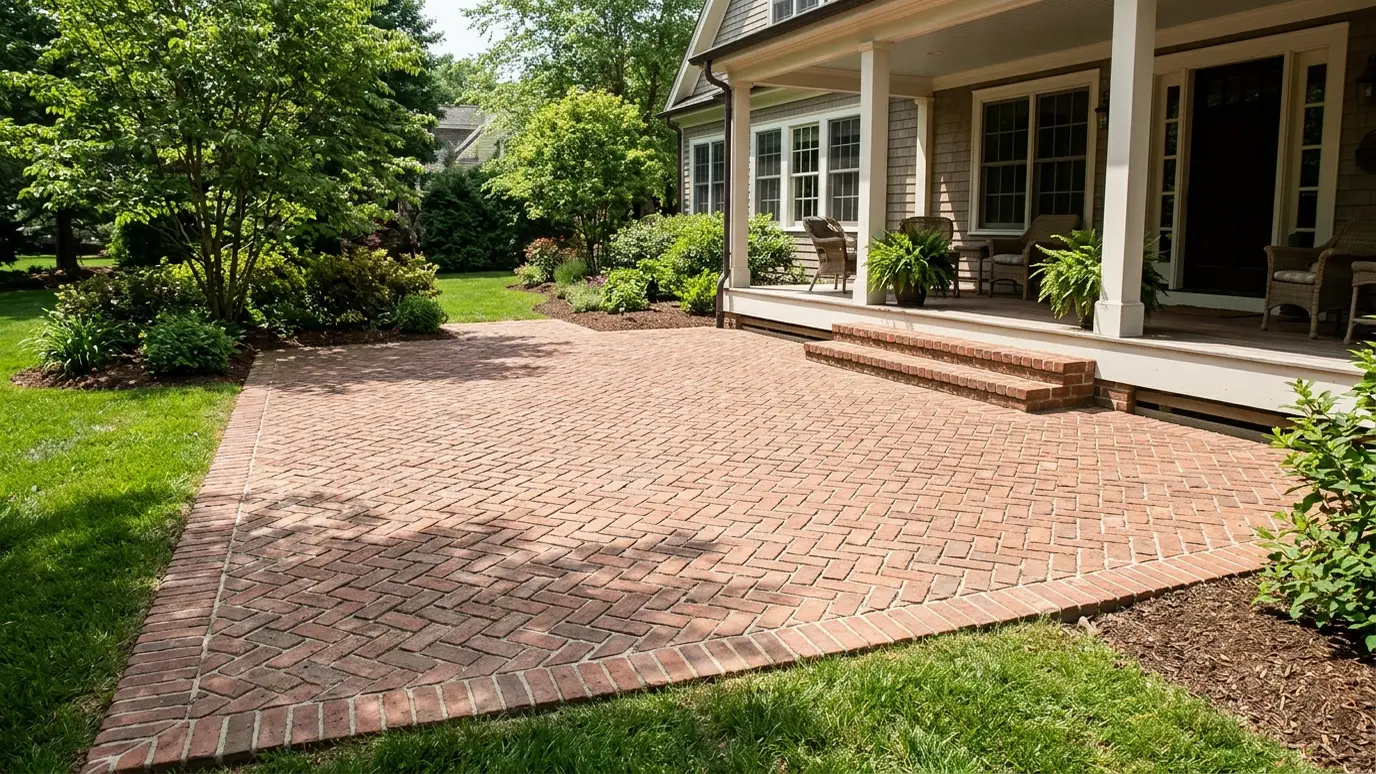
Running bond, herringbone and basket weave each look different. Herringbone locks well and suits driveways.
Borders frame the field.
Edge restraint
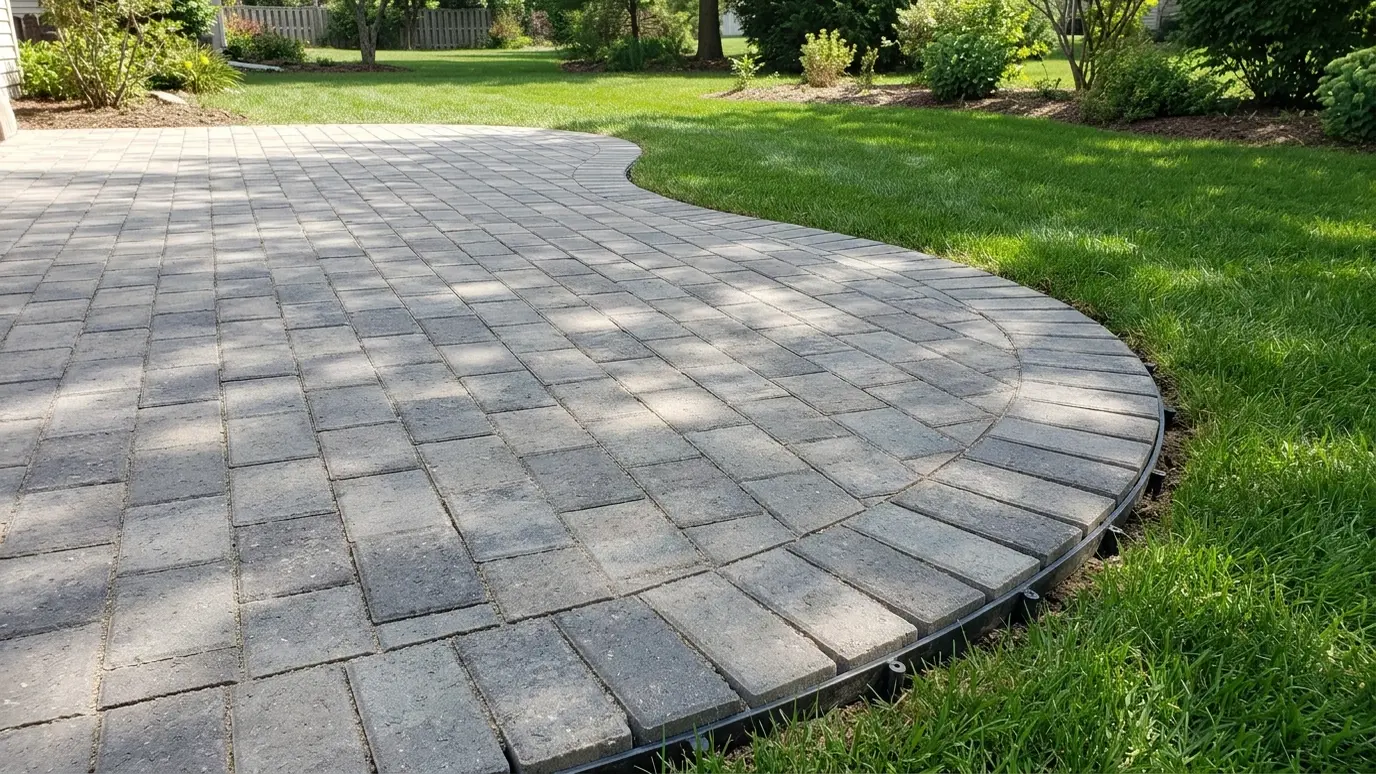
Without firm edges, pavers spread. Concrete, metal or plastic restraints hold the pattern.
Check this in every proposal.
Joint sand and sealing
Polymeric sand locks joints and resists weeds. Sealers add color and stain resistance.
Both are optional but helpful.
Care
Sweep, rinse and top up joint sand as needed. Replace stained or sunken units individually.
Avoid harsh pressure washing.
Pay for the base, insist on edge restraint and choose a pattern that suits the use.