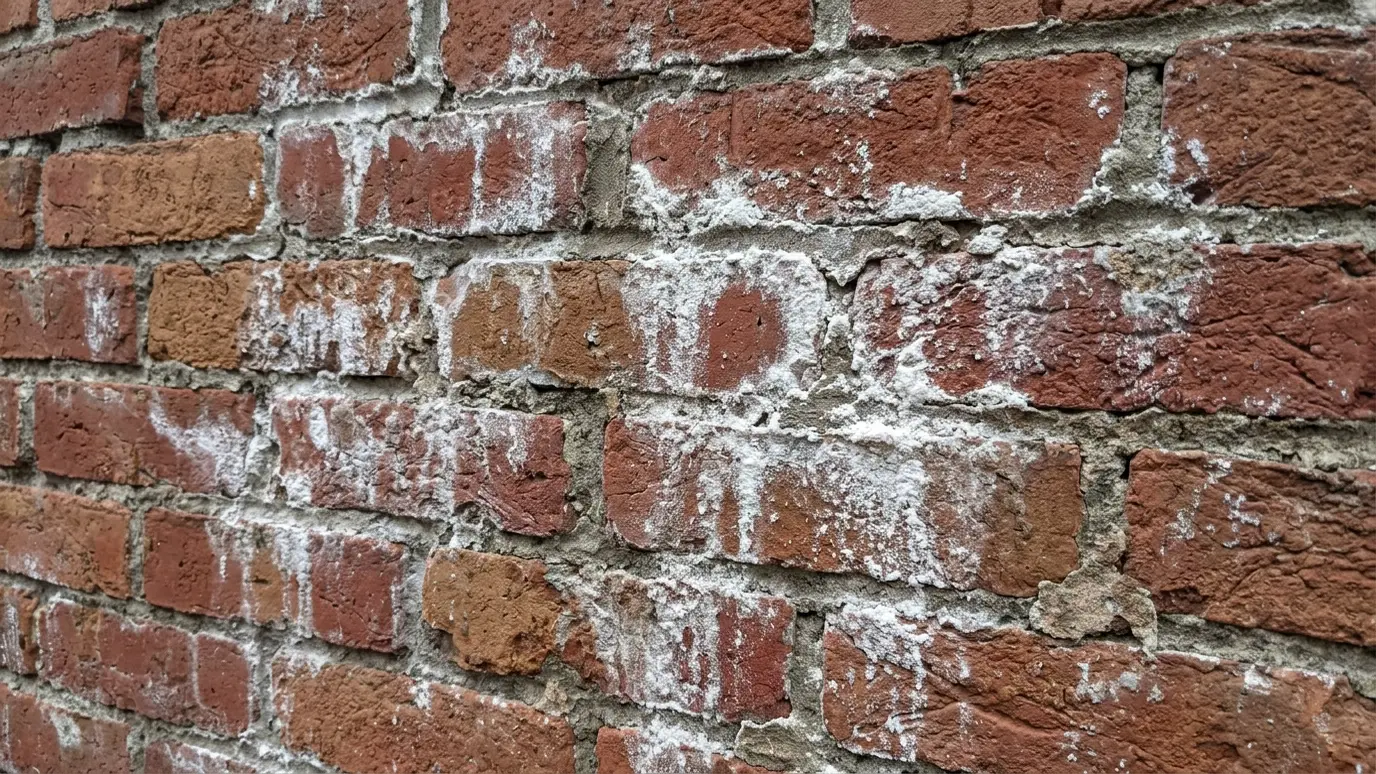
What it is
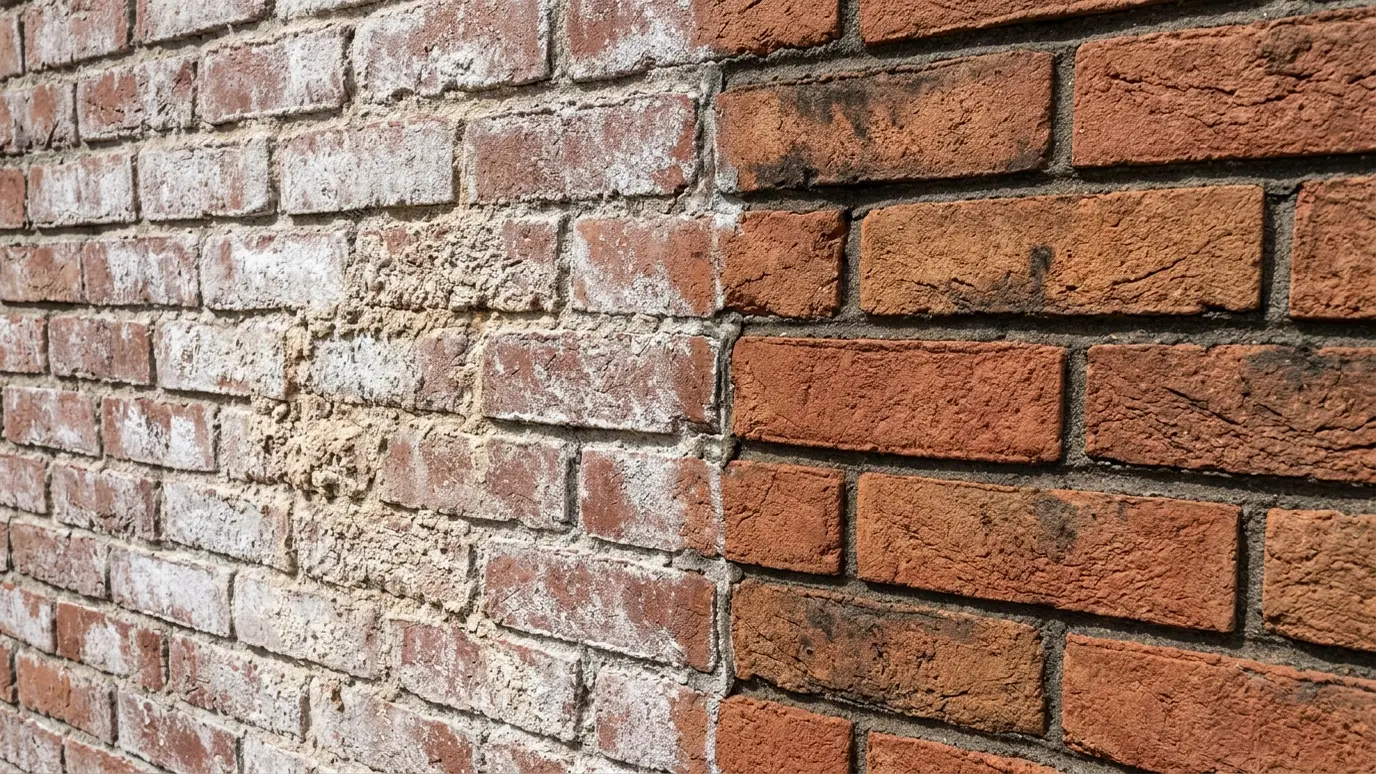
Efflorescence is a white, powdery deposit of salts left on the surface when water moves through masonry and evaporates.
It is a symptom, not a disease.
Is it harmful?
The salts themselves are usually harmless to the brick. But the moisture that carries them can cause damage over time.
Heavy or growing deposits deserve investigation.
Why it appears on new walls
New masonry holds construction moisture and often shows light efflorescence in the first year. It usually fades.
Be patient and brush it off dry.
Why it appears on old walls
Persistent efflorescence on older walls points to ongoing water entry: leaks, bad flashing, poor drainage or failing mortar.
Find the water.
Cleaning it
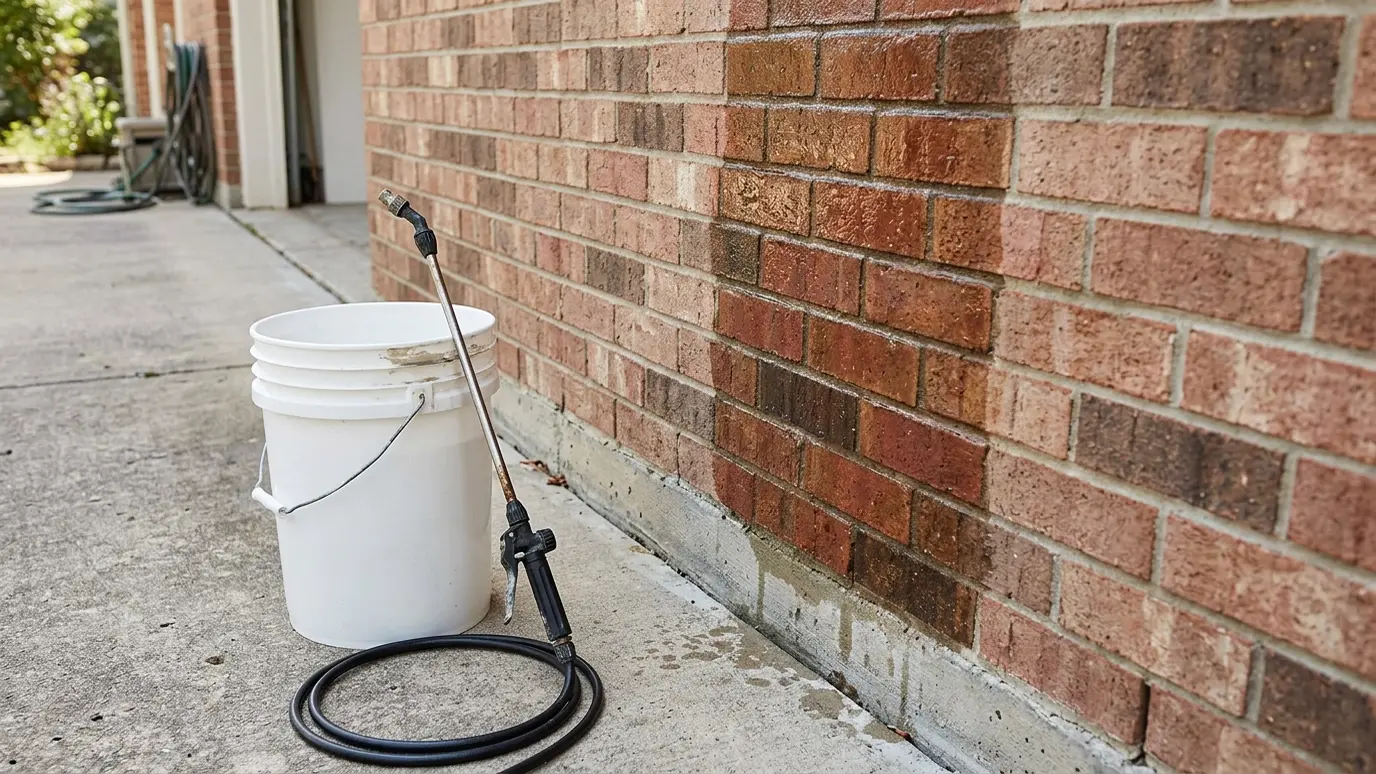
Dry brushing and mild cleaners remove most deposits. Avoid acids that can harm brick.
Test a small area first.
Preventing a return
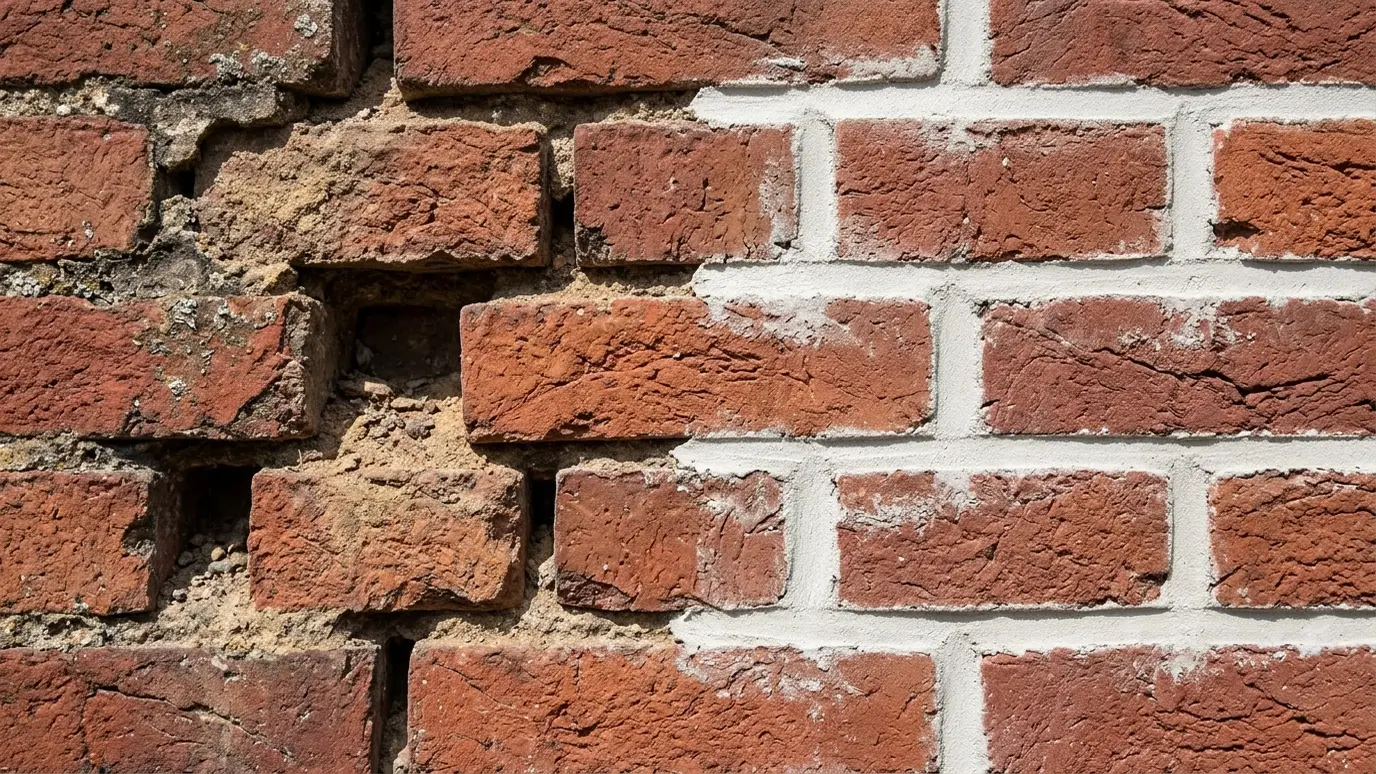
Fix gutters, grading and leaks. Repoint failed joints and consider a breathable sealer.
Cleaning without fixing moisture is temporary.
Treat efflorescence as a clue: clean it gently, then find and fix the water that brought it.