What sealers do
Penetrating sealers soak in and repel liquid water. Film sealers sit on top and can trap moisture.
Breathable products are generally safer.
When sealing helps
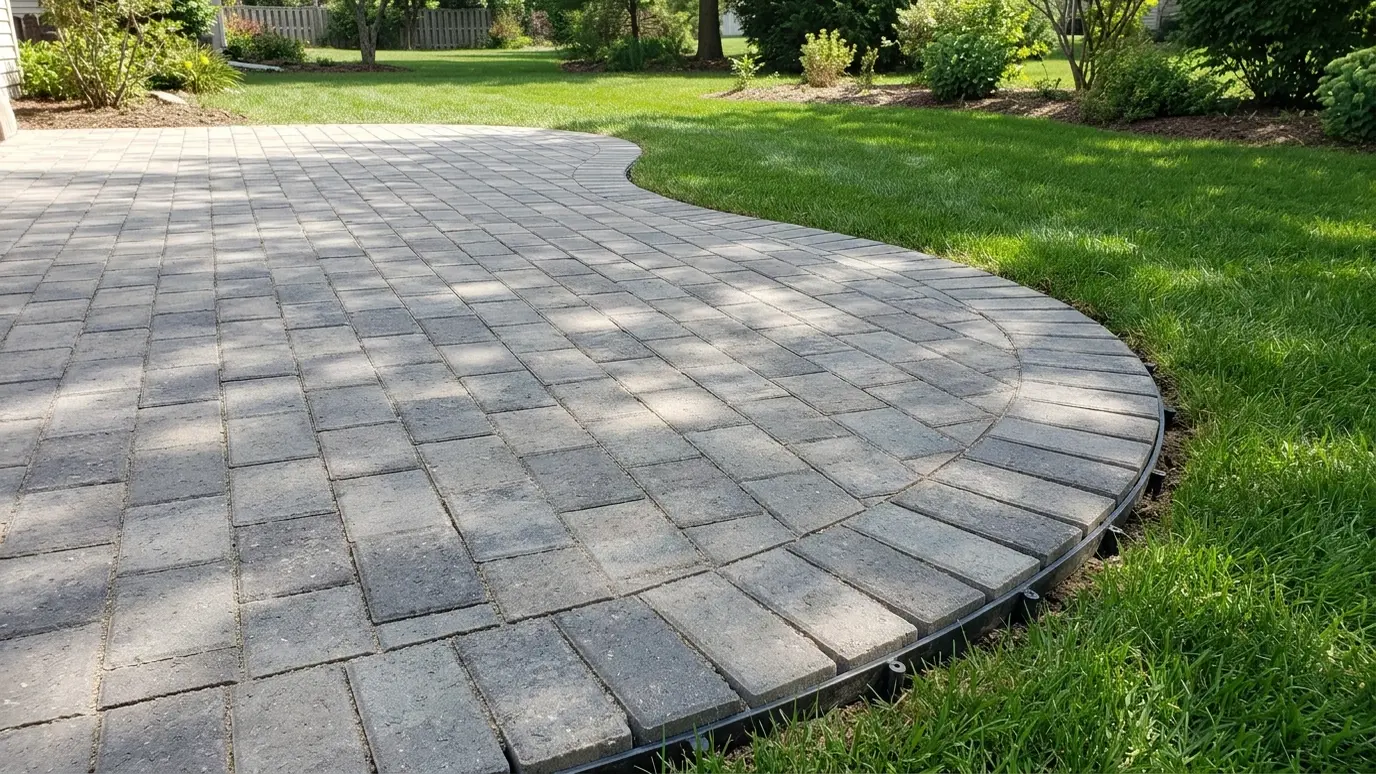
Patios, walkways, retaining walls and chimneys exposed to heavy weather can benefit. So can stone prone to staining.
Sealing is no substitute for repair.
When it hurts
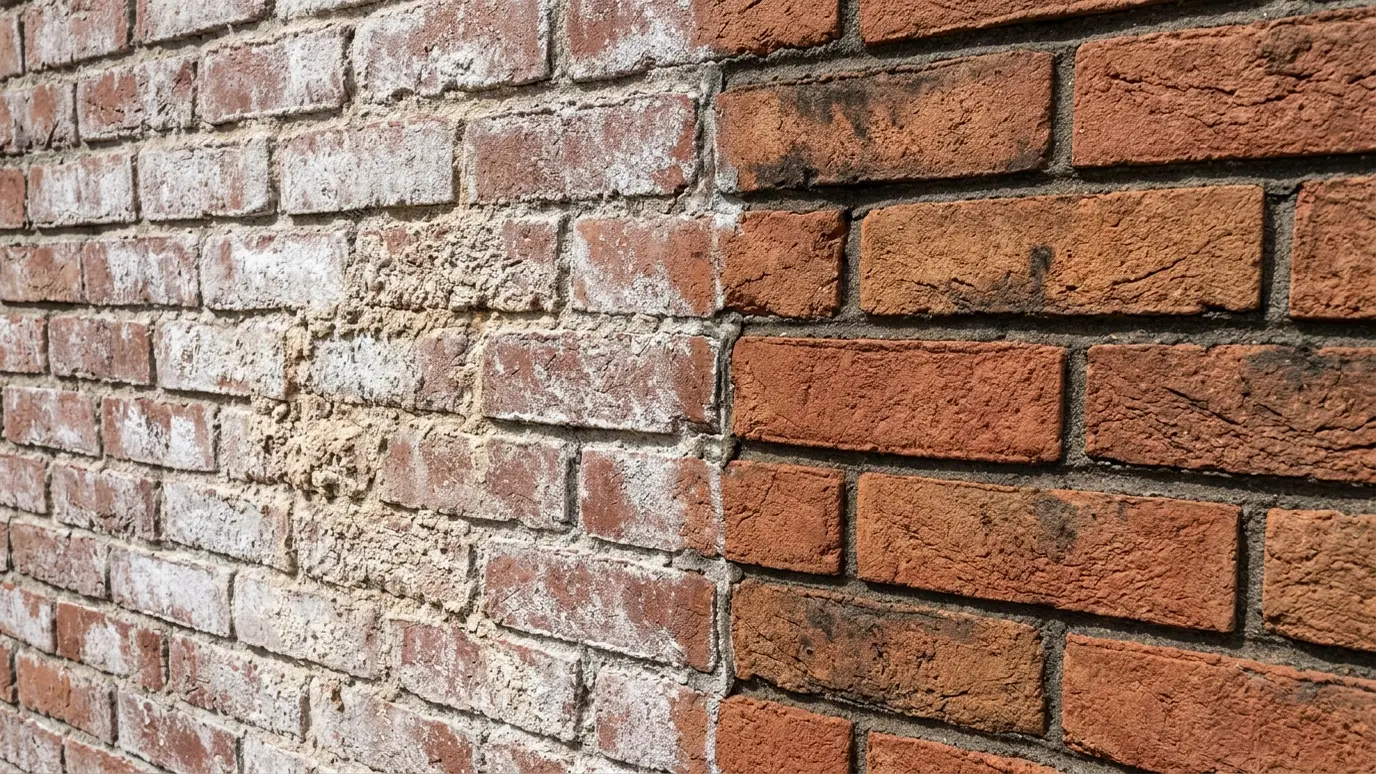
Sealing a wall with moisture trapped inside, or using a film coating on old brick, can cause spalling.
Test first.
Preparation
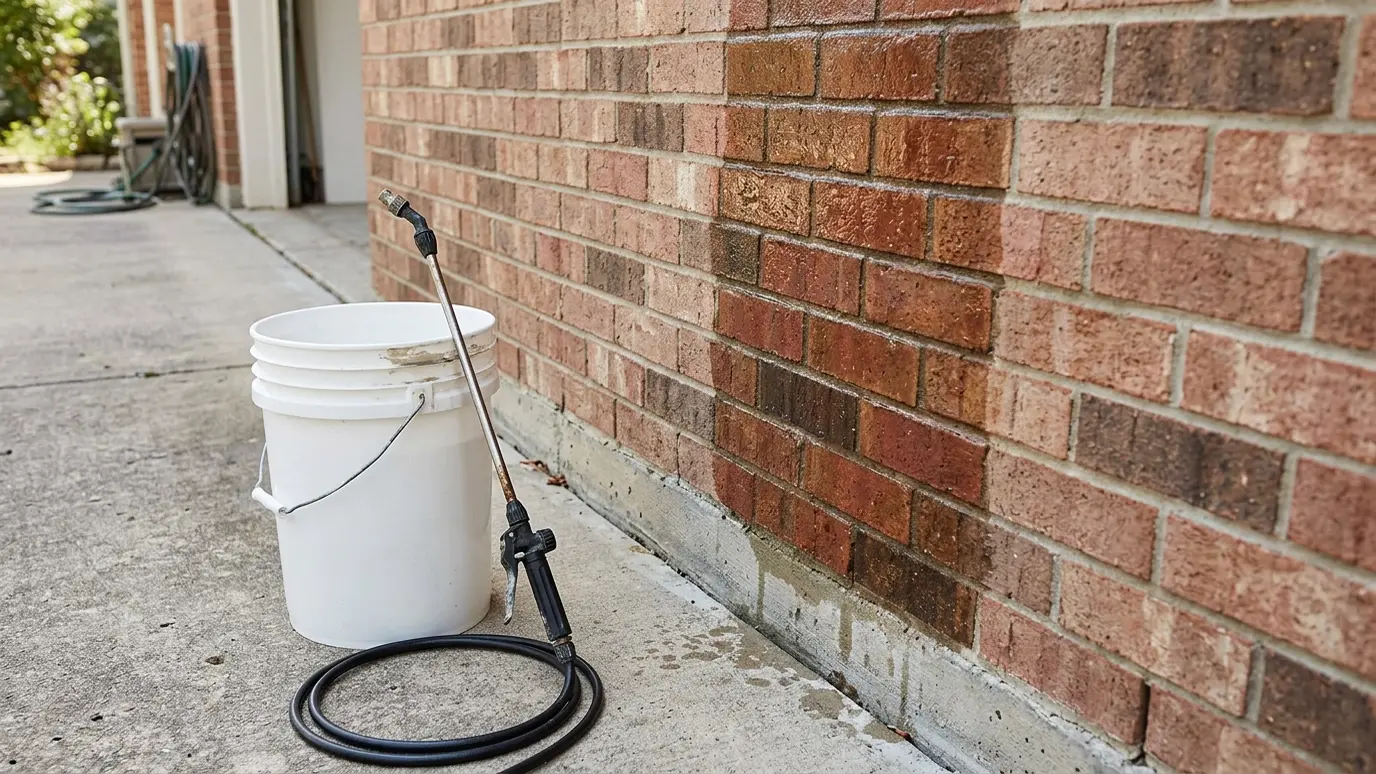
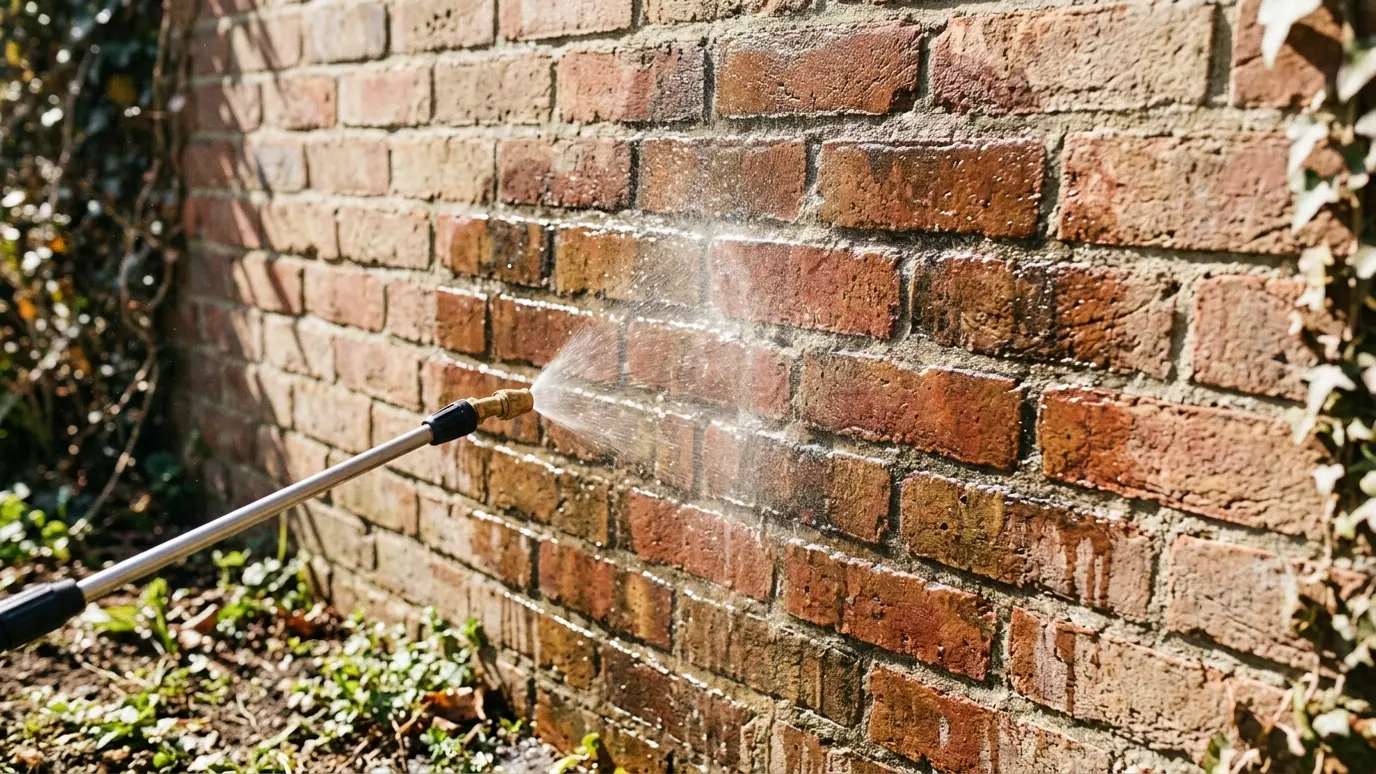
Clean the surface, repair joints and let masonry dry before sealing.
Moisture under a sealer causes trouble.
Application and timing
Apply in dry, mild weather. Follow the product rate and cure time.
Reseal when water no longer beads.
Choosing a product
Ask for a breathable penetrating sealer made for your material and read the label.
We test a small area first.
Repair first, test a small area and choose a breathable penetrating product.