
How a retaining wall works
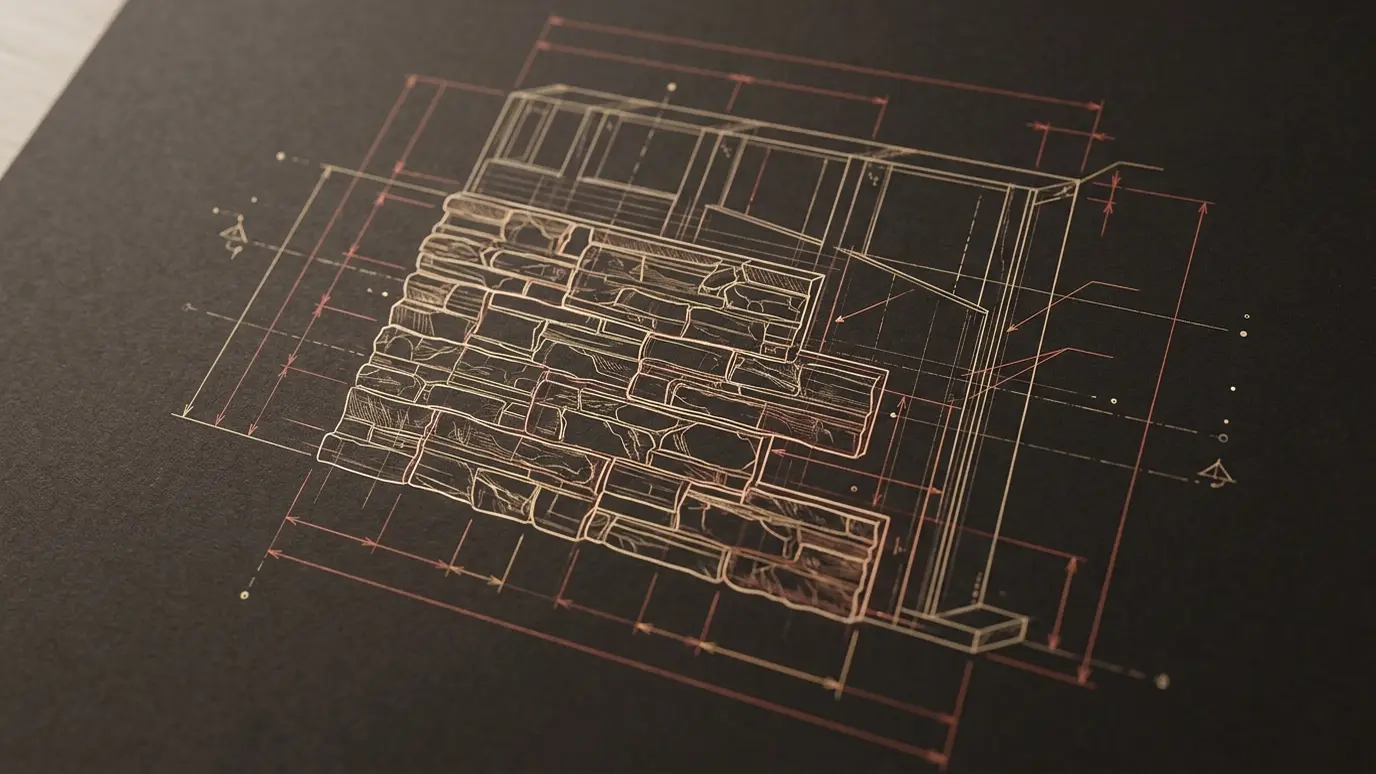
It holds soil and water back. Weight, a firm base and drainage resist the push of the earth.
Water is the main enemy.
Material choices
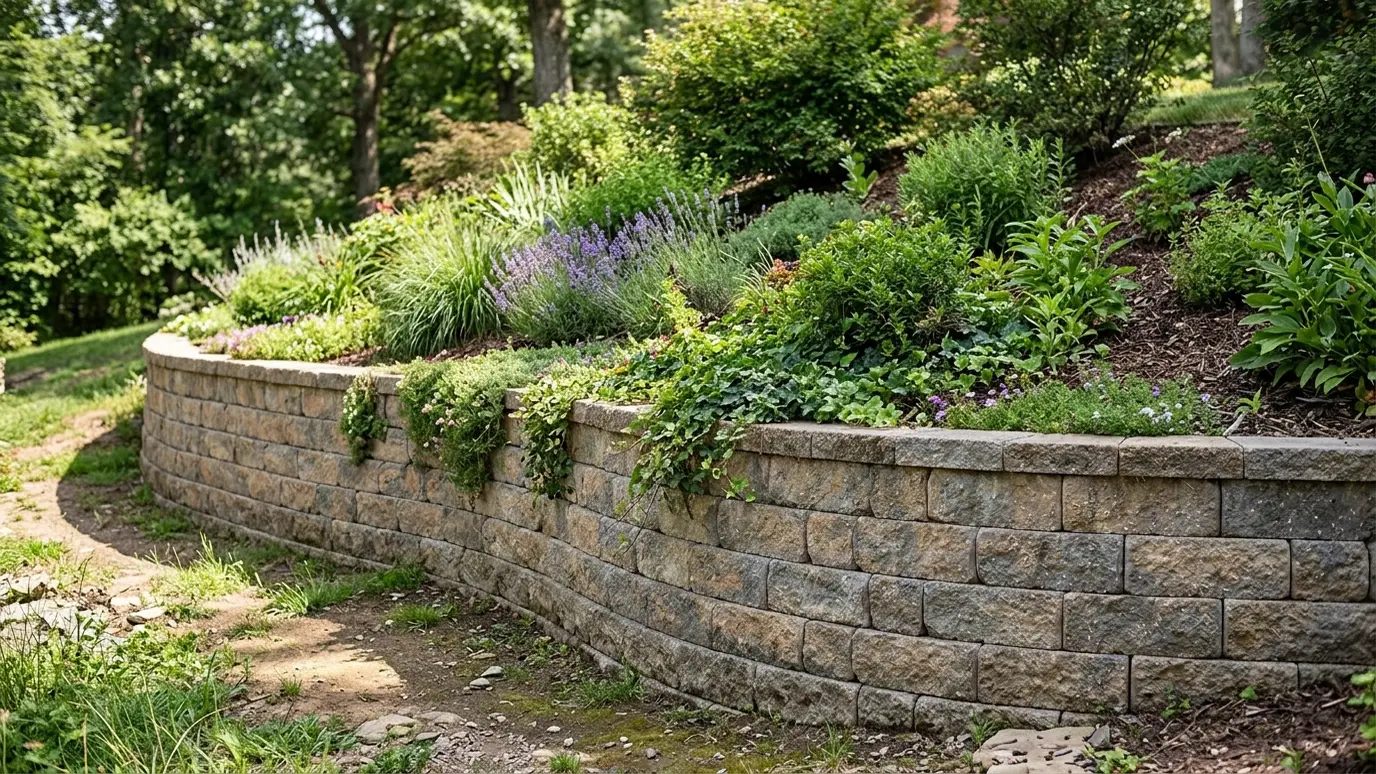
Segmental block is quick and flexible. Natural stone is handsome and strong. Poured concrete faced with brick or stone suits tall walls.
Choose by height, budget and look.
Drainage
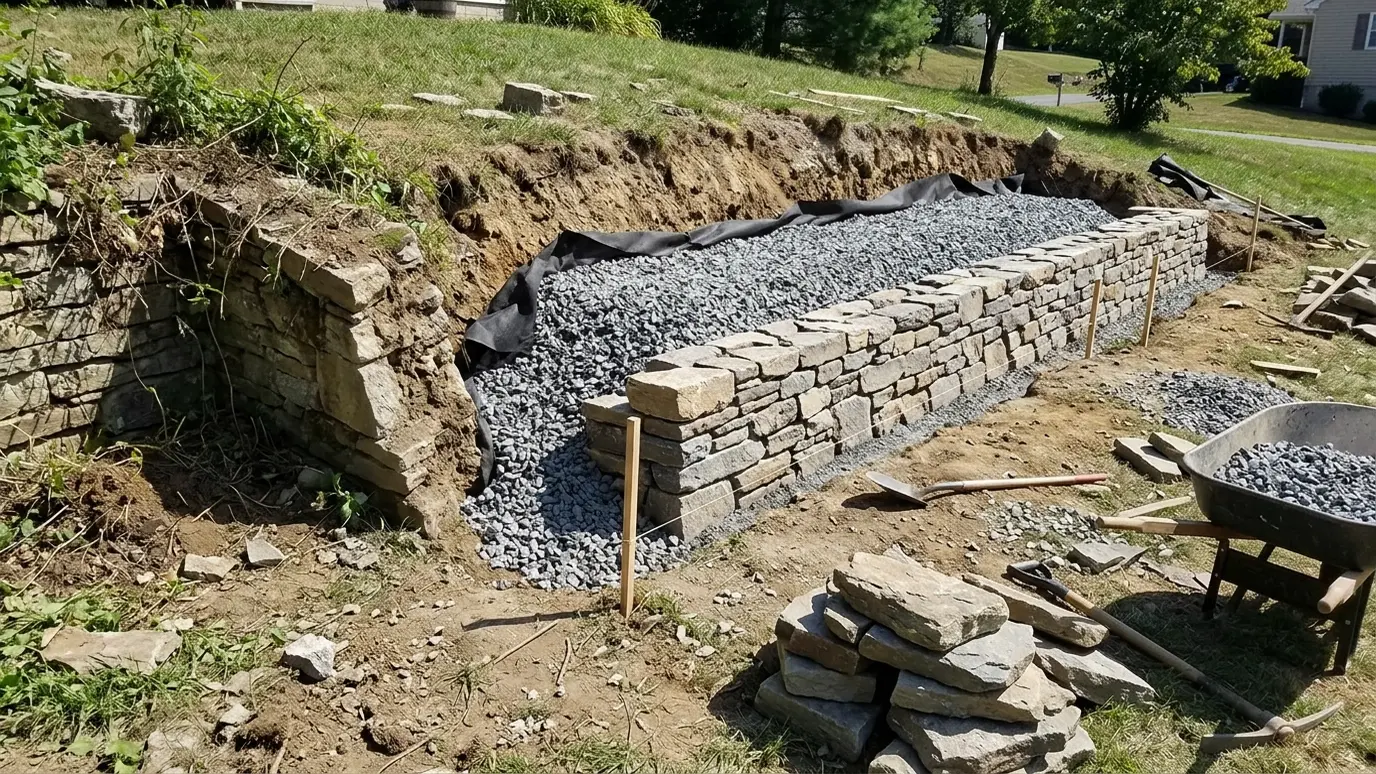
Gravel, filter fabric and a perforated pipe behind the wall relieve pressure. Surface water should be sent around, not into, the wall.
No drainage means probable failure.
Height and engineering
Walls above a certain height need engineering and sometimes permits. Tiered walls can be a good alternative.
We help you check the rules.
Warning signs
Leaning, bulging, cracks, gaps and wet spots at the base all suggest pressure.
Act early.
Maintenance
Keep drains clear, direct downspouts away and avoid piling heavy loads at the top.
Check after heavy rain.
Spend on the base and drainage first, keep walls to sensible heights and respond quickly to any lean.